- ADDRESS:Jinan City, Shandong Province
- Wanda Plaza, Jinan, Shandong, China
- +8617615809553
- info@deruna.com
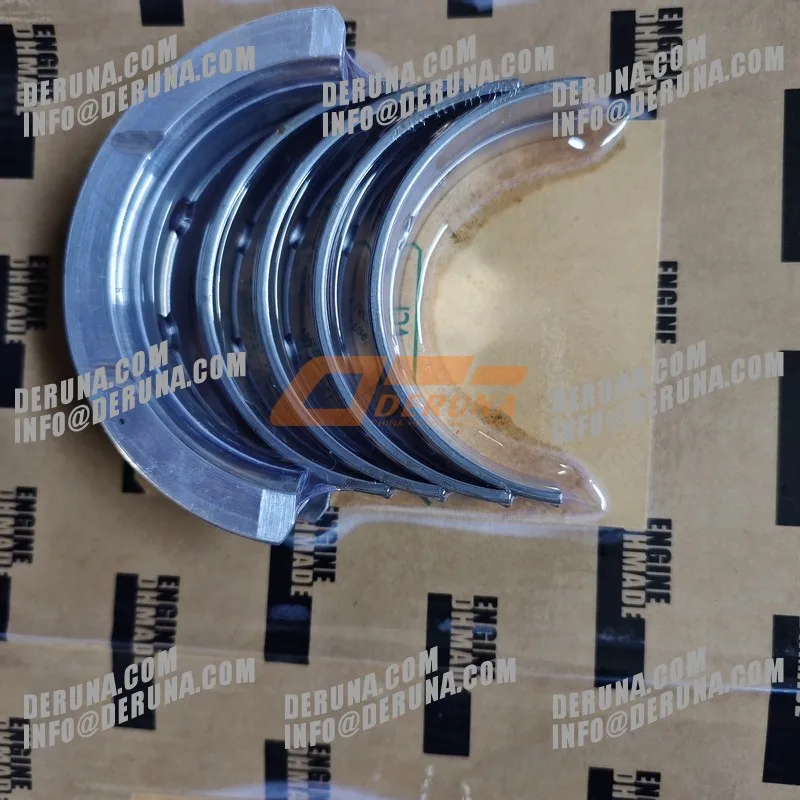
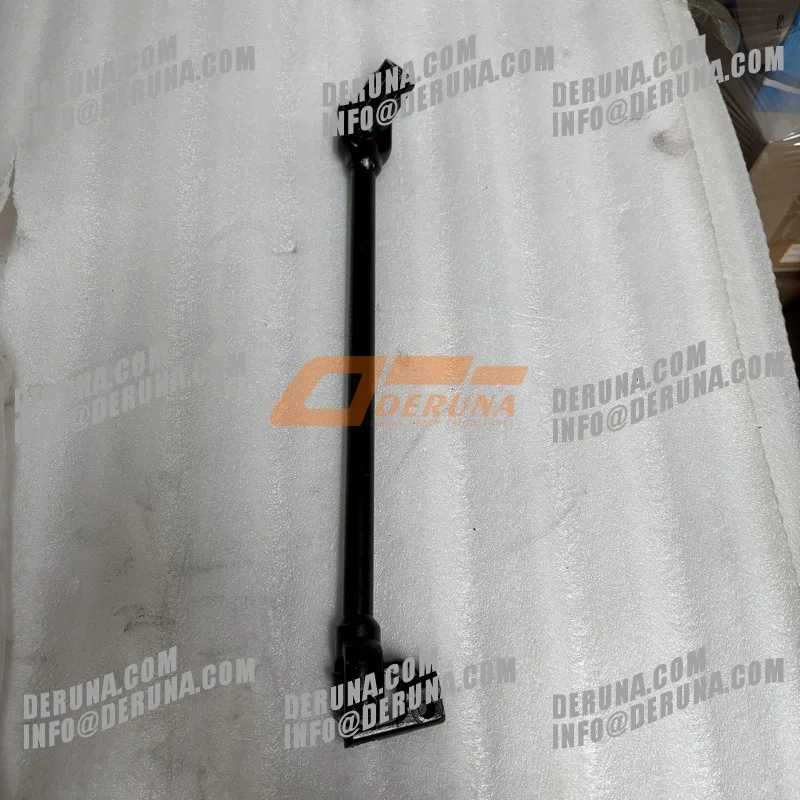
The 5273267 Sinotruk Isf3.8 Engine Fuel Line is the precision-formed pipe that carries diesel along its designated route on the ISF3.8 engine platform fitted to FOTON commercial trucks. A fuel line is far more than a tube: its bore, wall thickness, bend geometry and end fittings are engineered together so fuel arrives at the right pressure, without pulsation damage, air pockets or restriction. This line is shaped to the factory routing, clearing hot exhaust surfaces and vibrating accessories while keeping every connection stress-free. We supply it through our focused Foton truck parts programme after verifying each batch against the OEM reference for length, bend profile, flare form and fitting specification.
When a fuel line is correct, the engine never notices it; when it is wrong, leaks, air ingress and power complaints follow, which is why exact geometry deserves genuine attention.
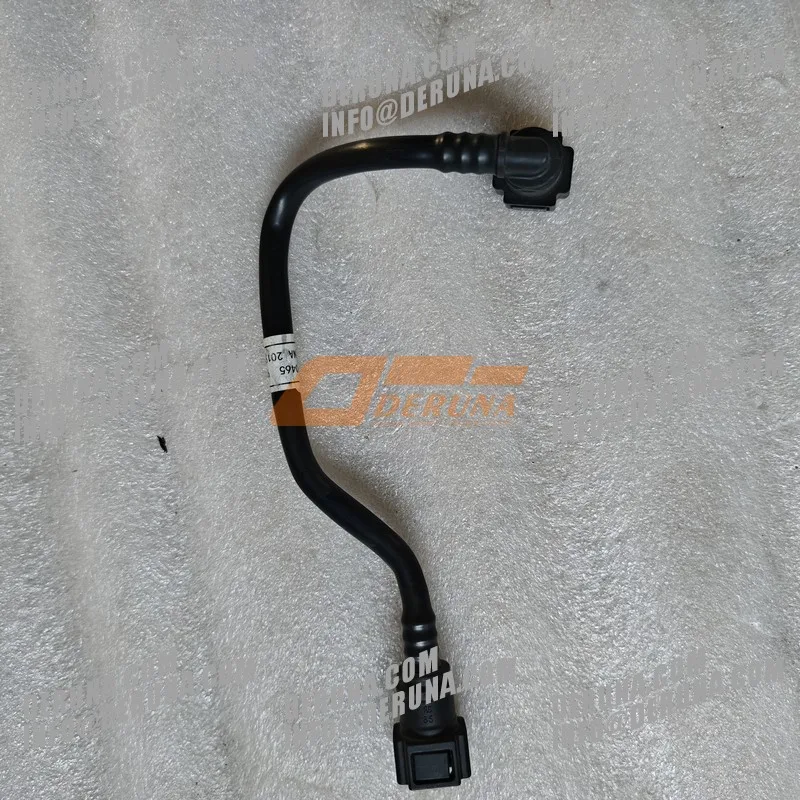
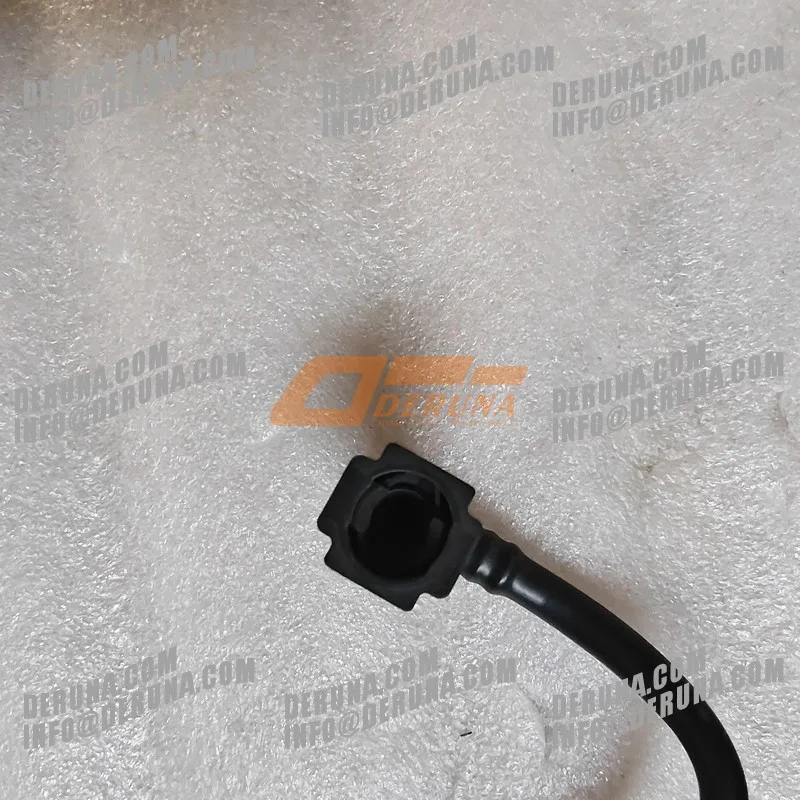
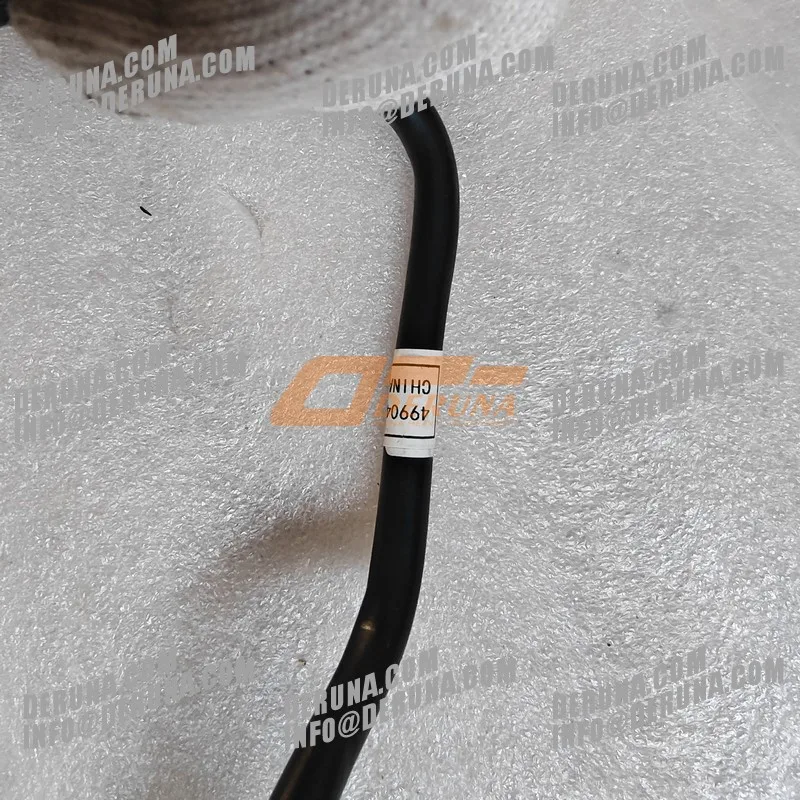
The ISF3.8 common-rail engine moves fuel through a carefully balanced circuit: a low-pressure supply side feeding the high-pressure pump, and return paths carrying warm excess fuel back toward the tank. Every pipe in that circuit is sized for its flow and pressure duty, and the 5273267 line holds its place in the layout with the exact bore and route the system was calibrated around.
Geometry is the hidden engineering. Each bend is positioned to clear the turbocharger, EGR plumbing and accessory drives while avoiding sharp radii that would throttle flow or create stress risers. A pipe bent even slightly off-pattern forces its fittings to carry alignment loads, and fittings under constant strain eventually seep, crack or loosen.
Pressure integrity completes the picture. Fuel circuits on this platform see pulsation from the pump and thermal expansion from engine heat, so the line must flex microscopically without fatiguing. Correct wall thickness, material grade and flare quality let it absorb those cycles for years, keeping fuel inside the pipe and air out of the system.
Diesel smell around the engine bay is often the first clue of a weeping flare or a hairline crack, long before a visible drip appears on the ground.
Wet film or staining along the pipe marks the exact leak location; fuel attracts dust, so a dirty stripe on an otherwise clean line deserves immediate inspection.
Hard starting after standing suggests air entering through a loose or damaged connection, letting the circuit drain back and forcing extended priming each morning.
Power dips with visible fuel bubbles in transparent sections indicate suction-side ingress, where a failing line admits air that disrupts pump delivery under load.
Material choice is deliberate. The tube must be strong enough for its pressure duty yet ductile enough to absorb engine vibration without work-hardening at the bends. The 5273267 line uses fuel-compatible steel with controlled wall thickness, giving it the fatigue life the original specification demands rather than the brittle behaviour of improvised replacements.
Cleanliness is part of manufacturing, not an afterthought. The bore is cleaned and capped before packing so no swarf, drawing compound or dust travels into the injection system on first start-up. Contamination introduced by a dirty pipe can undo the protection of a brand-new filter in a single hour of running, which is why capped, clean supply matters.
Work clean and cool. Stop the engine, allow hot components to cool and degrease the area around the pipe so dirt cannot enter the open circuit. Photograph the original routing and clip positions before removal so the new line follows exactly the same path.
Undo the end fittings with two wrenches, one holding the mating body and one turning the nut, so torque never passes into the pump or rail. Remove supporting clips, withdraw the old pipe and cap the open ports immediately to keep contamination out.
Offer the new 5273267 line into place without springing it. Both ends should meet their seats naturally; if force is needed, the routing or clip position is wrong. Start every nut by hand to protect the threads, then torque to the workshop specification with the counter-hold technique.
Refit all clips so the pipe cannot chafe or resonate, prime the fuel system and start the engine. Inspect both joints at idle and again at raised idle, then recheck after the first drive; a dry, bubble-free circuit confirms a correct installation.
Inspect the line at every service with a torch. Look for wet film, dust stripes, coating damage and contact marks where the pipe passes near brackets or hoses. Catching a weep or a chafe point early converts a roadside failure into a planned workshop task.
Check that every clip and clamp is present and tight. A missing clip lets the 5273267 pipe vibrate at engine frequency, and that vibration work-hardens the tube at its bends until a fatigue crack appears, usually right beside a fitting where stress concentrates.
Never repair a cracked fuel pipe with tape, hose splices or sealant. The circuit’s pressure and fire risk demand a proper replacement line, and improvisation also introduces contamination and restriction. Replace, torque correctly, and the repair disappears from your worry list for years.
Fuel pipes are deceptively hard to copy. A lookalike can share the same fittings yet differ in bend angles by degrees, and those degrees translate into permanent stress on pump ports and rail connections. Every 5273267 line we supply is checked against the OEM reference for routing geometry, flare form, tube specification and cleanliness before dispatch.
Our Foton truck parts programme covers the fluid-transfer components that keep engines fed, cooled and lubricated. Each line ships with capped ends and protective sleeving so the bore stays clean and the flares stay undamaged, arriving ready for a straightforward, first-time-right installation.
Which engines use this fuel line?
It belongs to the ISF3.8 engine fuel circuit as fitted in FOTON truck applications. Confirm your engine model and the number on the removed pipe against 5273267, and verify the routing with the fuel system diagrams for your specific chassis.
Can a leaking fuel line be repaired instead of replaced?
No safe shortcut exists. Sealants and tape cannot hold fuel pressure or engine heat, and splices introduce restriction and debris. Replacement with the correct line is the only repair that restores both sealing integrity and fire safety.
Why must the fittings be torqued with two wrenches?
Holding the mating body while turning the nut keeps installation torque out of the pump, rail or filter head. Without the counter-hold, tightening loads can crack ports or distort seats, creating leaks that no amount of extra torque will cure.
Keep fuel flowing exactly where the factory intended. The FOTON 5273267 Sinotruk Isf3.8 Engine Fuel Line delivers precise routing, durable materials and leak-free connections for dependable starting, steady power and a clean, safe engine bay.
If you have any questions about our products, services, or anything related to what we offer, please don’t hesitate to leave us a message—our dedicated team is always ready to provide prompt and helpful responses to address your concerns. What’s more, when you become our valued customer, we’re delighted to offer you complimentary catalog services, giving you access to detailed, up-to-date information on our full range of products, specifications, and offerings to help you make informed decisions.