- ADDRESS:Jinan City, Shandong Province
- Wanda Plaza, Jinan, Shandong, China
- +8617615809553
- info@deruna.com

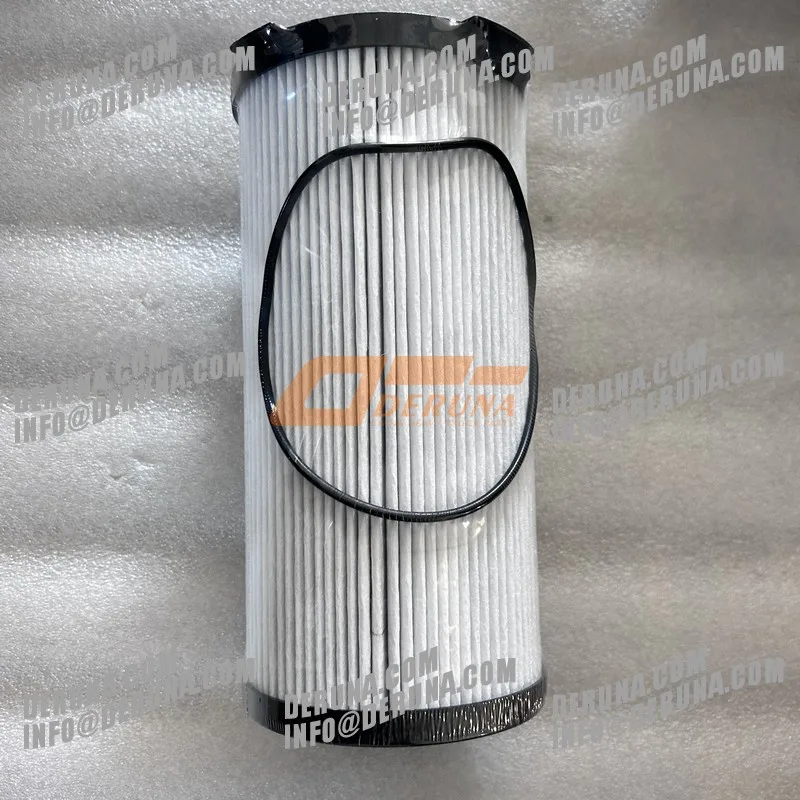
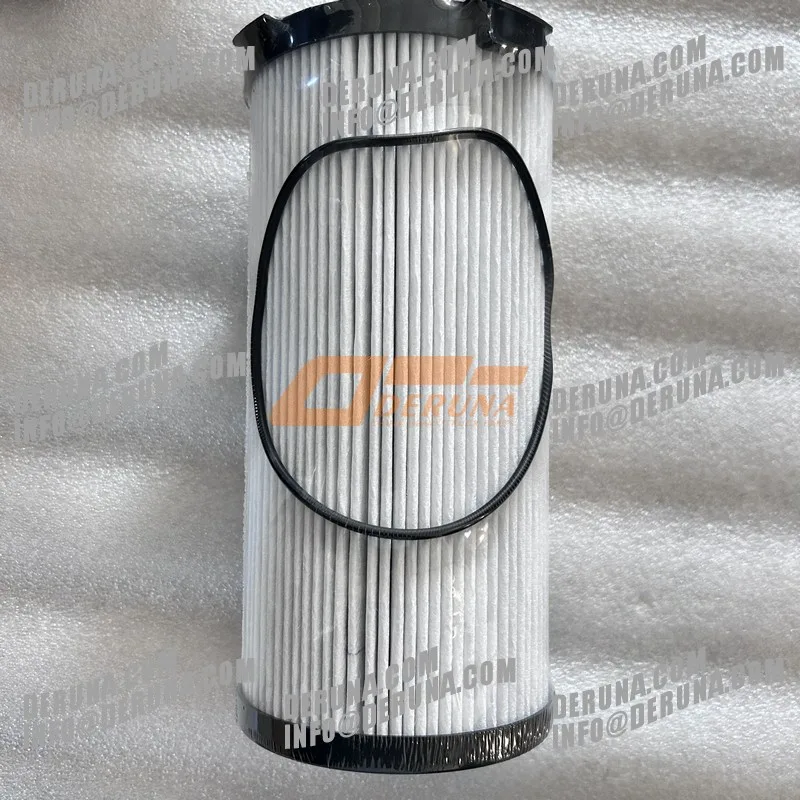
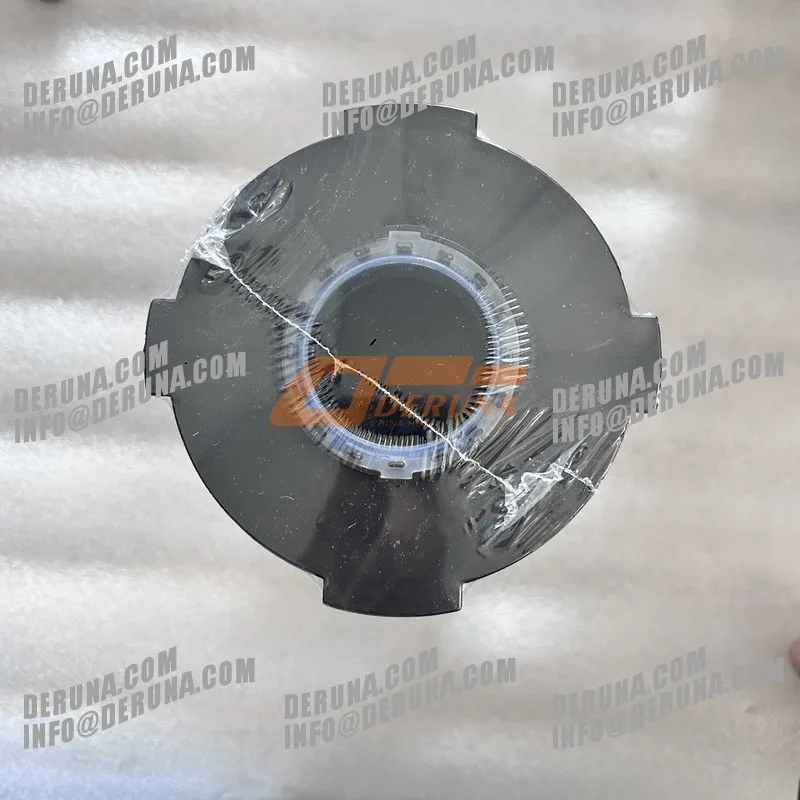
The FS53040NN Fuel Filter is the updated-generation filtration unit specified for FOTON commercial trucks, combining particle removal and water separation in a single spin-on canister. Positioned between the tank and the injection equipment, it intercepts the rust, dust, gum and moisture that diesel inevitably carries, delivering fuel clean enough for micron-tolerance pumps and injectors to work safely. This NN-suffix version follows the revised factory specification, and we supply it through our dedicated Foton truck parts programme with each batch checked against the OEM reference for thread form, gasket geometry, media rating and canister dimensions.
Filtration is the least expensive line of defence in the entire fuel system, yet it protects the components whose failure costs the most, which is why the exact specification matters.
High-pressure injection equipment lives in a world of microns. Plunger barrels, control valves and nozzle needles are matched pairs with clearances smaller than most airborne dust, and diesel itself provides their only lubrication. Any hard particle riding in that fuel becomes an abrasive that laps those surfaces until internal leakage rises and the pump can no longer hold rail pressure.
The FS53040NN answers with a staged media architecture. Outer layers arrest coarse debris so it cannot blind the fine layers beneath, while the inner strata capture the small, sharp particles responsible for accelerated wear. This depth-loading approach keeps restriction low and extends useful service life compared with single-surface designs.
Water handling completes the job. Condensation in tanks, humid climates and questionable refuelling stops all introduce moisture that corrodes precision parts and supports microbial slime. The separation stage in this filter merges fine droplets into larger ones that fall out of the fuel stream, keeping the injection side dry and stable.
Weak pulling power on hills shows the loaded media cannot pass enough fuel for full-load demand, so rail pressure drops just when the engine needs it most.
Long cranking before start-up indicates restriction or drain-back that leaves air in the circuit, forcing the transfer pump to purge the line before pressure can build.
Surging or hunting at steady speed happens when flow restriction fluctuates with vibration, letting the engine speed wander without any input from the driver.
Water-in-fuel warnings returning quickly mean the separation stage is saturated and moisture is passing downstream, putting the pump and injectors at immediate risk.
The NN revision exists because fuel systems evolved. As injection pressures climbed and tolerances tightened, the factory updated the filtration specification to match, and the FS53040NN carries that revised media and construction standard. Fitting the correct suffix version is therefore not a formality; it aligns the filter’s efficiency and flow curve with what the engine’s fuel system was calibrated to expect.
Installation geometry is held to the same discipline. Thread pitch, gasket groove position and overall height mirror the original part, so the canister seats squarely and seals without force. A filter that needs persuading to fit is a filter that will draw air, weep fuel or loosen under vibration, and none of those outcomes belongs on a working truck.
Begin with the engine stopped and cool, parked level with the brake applied. Sweep dirt away from the filter head and surrounding pipework before loosening anything, and set a drain pan under the canister to capture the fuel that will spill during removal.
Break the old filter free with a strap wrench and unscrew it fully. Inspect the head: the old gasket must leave with the old can. Any residue on the sealing land should be wiped away until the surface is bare, smooth and clean.
Film the new gasket with clean diesel, pre-fill the FS53040NN canister if the workshop procedure calls for it, and spin it on until the gasket meets the head. Add three-quarters of a turn by hand and stop there; tools on the can only crush the seal and cause leaks.
Prime the circuit with the hand pump until firm resistance, then start and idle the engine while checking the seal line for bubbles or seepage. Confirm a stable idle, and re-inspect the joint once more after the first loaded drive when everything is hot and pressurised.
Anchor replacement to the service schedule and adjust for reality. Trucks fuelling from drums, working quarries or running humid coastal routes fill the FS53040NN far faster than the book interval assumes, so treat dusty or wet conditions as a reason to change early rather than late.
Where a drain point is fitted, release collected water at every inspection. Standing moisture inside the can corrodes the shell, feeds bacterial growth and eventually overwhelms the separation stage, turning a protective component into a contamination source itself.
Defend the fuel upstream as well. Seal the tank cap properly, clean the filler neck before each refuel, avoid drawing from the bottom of storage tanks and choose stations with fast turnover. Every particle kept out of the tank is one the filter never has to catch, stretching its life and your savings.
Suffix letters on a part number are easy to ignore and expensive to get wrong. The NN revision carries specific media and construction standards that earlier or lookalike versions may not meet. Every FS53040NN we dispatch is verified against the correct OEM reference for thread, gasket, dimensions and filtration behaviour, so the revision you order is the revision you receive.
Our Foton truck parts programme concentrates on the service items that decide reliability and running cost. Each filter travels in a sealed individual carton that protects the thread and sealing face in transit, arriving ready for immediate fitment with no cleaning, adapters or modifications required.
What does the NN suffix mean on this filter?
It identifies the updated factory revision of the specification, with revised media and construction standards for modern injection systems. Always match the full number including the suffix when ordering, because versions are not automatically interchangeable.
How often should this filter be changed?
Follow the FOTON schedule, typically every twenty to thirty thousand kilometres, and shorten it for dusty sites, drum refuelling or humid climates. Contamination loading, not distance alone, determines when the media and separation stage are full.
How do I verify FS53040NN is correct for my truck?
Read the complete number on the removed canister and match it against FS53040NN, then confirm thread size, gasket diameter and can height with the fuel system chapter of the workshop manual before installing the replacement.
Choose the right revision and protect the whole fuel chain. The FOTON FS53040NN Fuel Filter delivers staged particle removal, dependable water separation and exact OEM fitment for easy starting, strong pulling power and long injection system life.
If you have any questions about our products, services, or anything related to what we offer, please don’t hesitate to leave us a message—our dedicated team is always ready to provide prompt and helpful responses to address your concerns. What’s more, when you become our valued customer, we’re delighted to offer you complimentary catalog services, giving you access to detailed, up-to-date information on our full range of products, specifications, and offerings to help you make informed decisions.