- ADDRESS:Jinan City, Shandong Province
- Wanda Plaza, Jinan, Shandong, China
- +8617615809553
- info@deruna.com
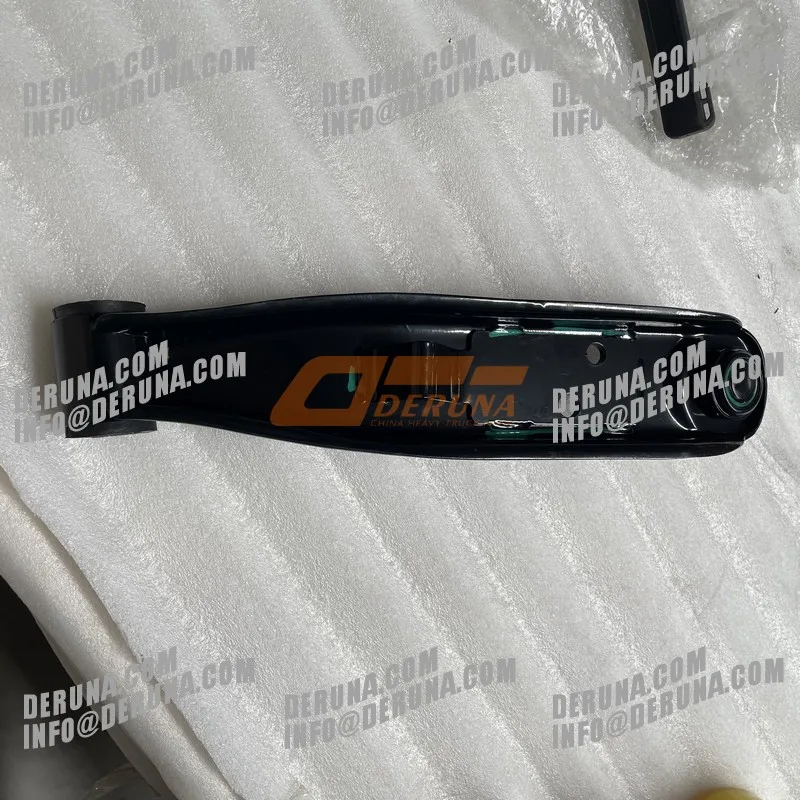
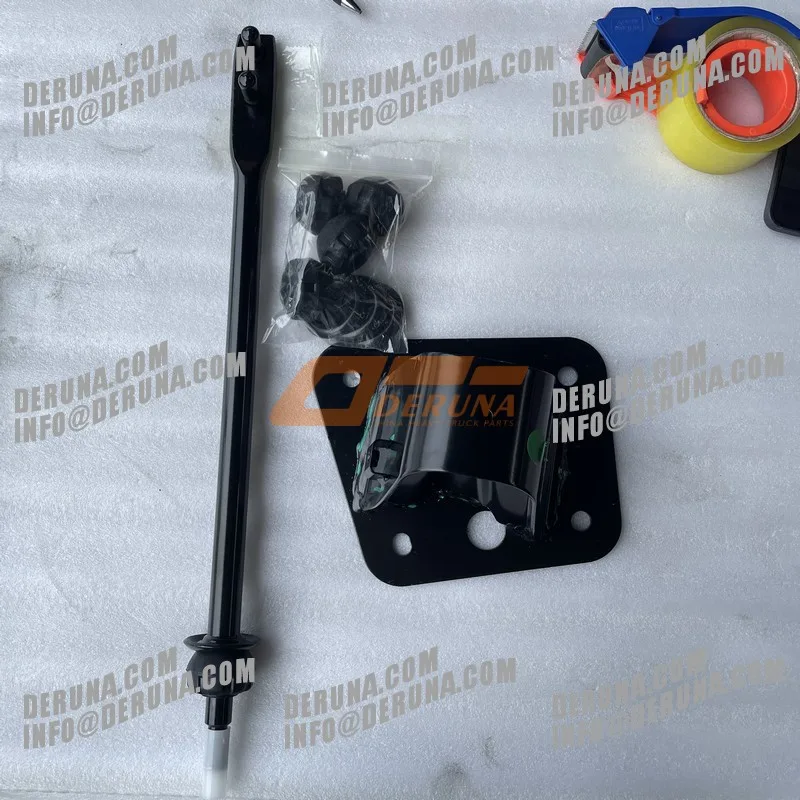
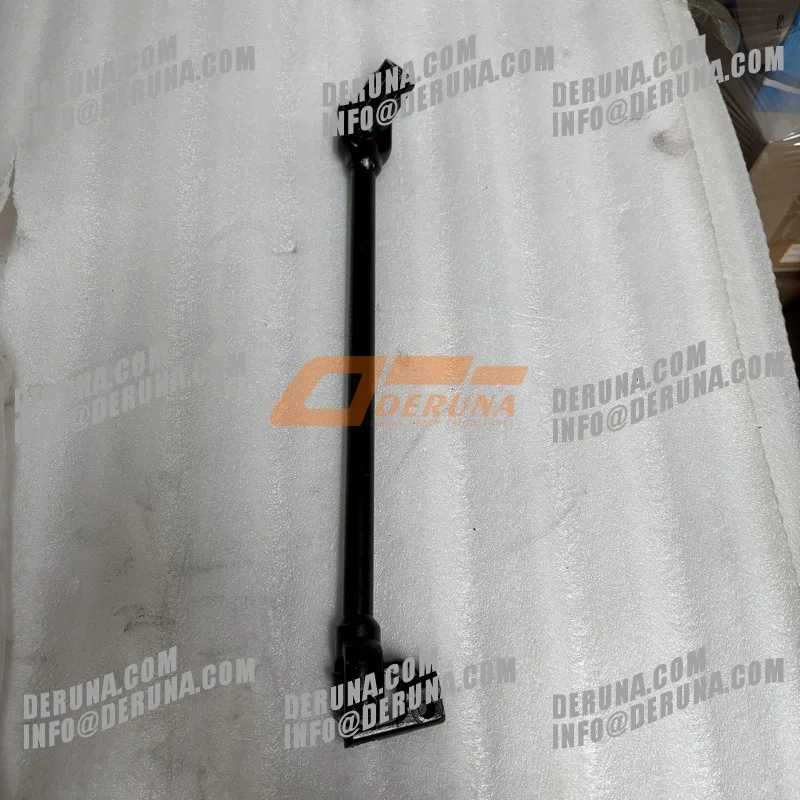
The L0281010100A0 Front Suspension Cross Member is a FOTON replacement component listed for the front suspension support structure. Explore our Foton truck parts range to organise component selection around the correct OEM reference. Matching the cross member to the vehicle configuration is an important step toward restoring the intended mounting arrangement after confirmed structural damage or deterioration.
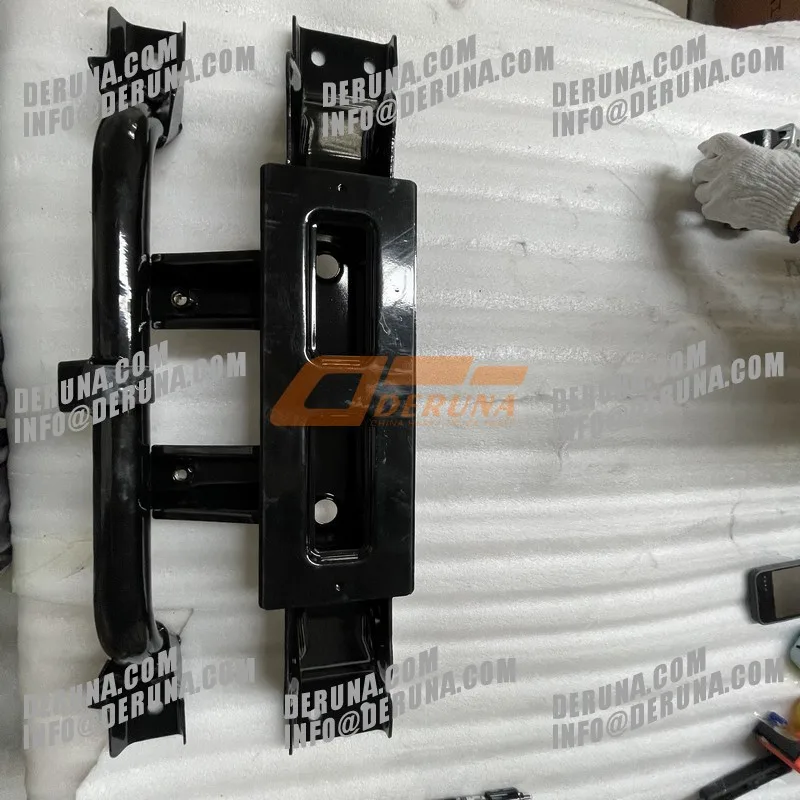
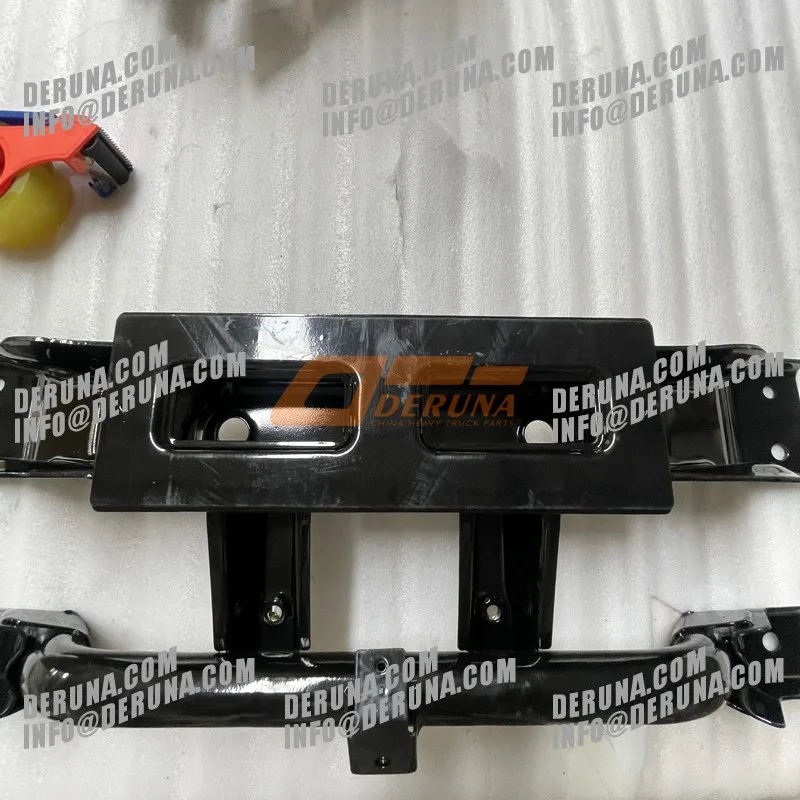
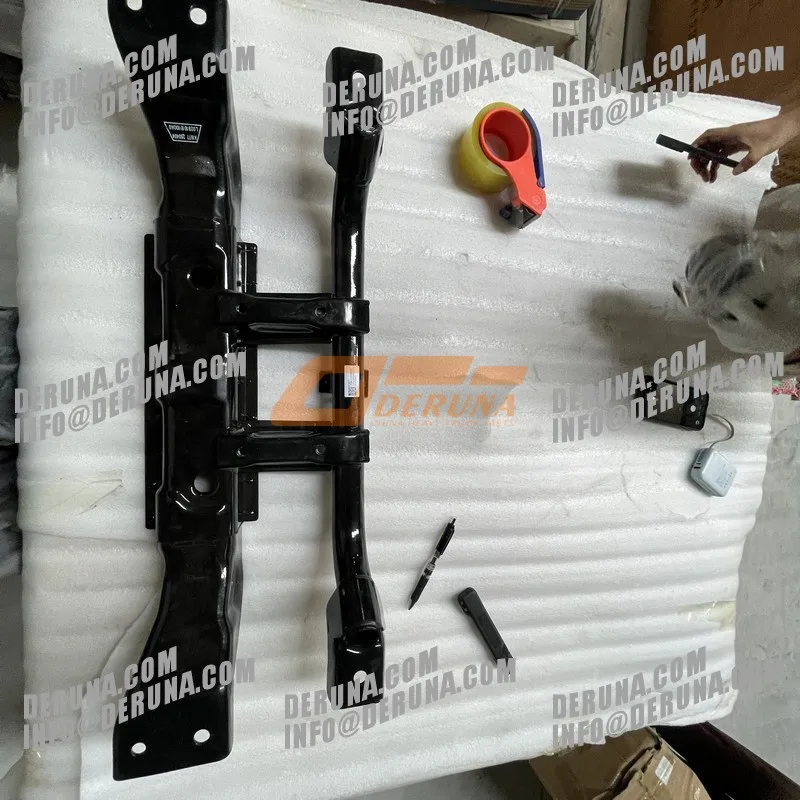
A front suspension cross member forms part of the structure that supports and locates suspension connections. Its mounting arrangement helps related components maintain their designed positions while the truck encounters road loads. The precise attachments and load paths depend on the vehicle’s suspension architecture.
Selecting L0281010100A0 starts with identifying the required component in the vehicle catalogue. A cross member should not be chosen solely because its outline resembles the removed part. Differences in mounting positions or bracket geometry can prevent an apparently similar replacement from fitting correctly.
When a structural mounting point moves outside its intended position, wheel geometry and surrounding connections may be affected. A suitable replacement addresses the damaged support component, but the workshop must also assess adjoining brackets, suspension arms and fasteners before considering the repair complete.
For commercial vehicles, dependable suspension positioning matters during braking, cornering and everyday delivery work. This component is not a performance upgrade or a substitute for alignment. Its practical value lies in restoring the specified support arrangement within a correctly diagnosed repair.
The cross member should also be distinguished from individual suspension arms and their joints. Replacing the support structure does not renew those separate wear components. A complete inspection considers how each connection works with its mounting point and whether the surrounding assembly remains serviceable.
Visible deformation after an impact requires a structural assessment. Compare the affected area with documented inspection references, rather than judging serviceability from appearance alone. Nearby mounting points may also have shifted.
Cracks or significant corrosion around attachment areas deserve prompt attention. Surface staining and structural deterioration are different conditions. A qualified technician should determine whether the damage compromises the support structure.
Movement or noise at a mounting connection can arise from loose hardware, worn adjoining components or damaged supports. Inspect the complete connection before deciding which part needs replacement.
Persistent alignment or tracking problems may justify checking structural reference points. Tyres, joints and other suspension components can produce similar symptoms, so alignment readings alone do not establish a defective cross member.
The L0281010100A0 reference and product name identify the listed replacement, but they do not establish material grade, coating specification or dimensional tolerances. Those details require verified technical documentation. Likewise, product photographs should support identification, not replace catalogue confirmation or measurement checks.
Inspect the chassis attachment areas before fitting the replacement. Damaged mating surfaces, distorted brackets or compromised threads can undermine the repair even when the new component is correct. Follow the manufacturer’s assessment procedure for any surrounding structural damage.
Do not assume this listing includes bushes, fasteners, brackets or a complete assembled subframe. Establish the supplied assembly scope separately from the component identity. Knowing which items are included helps the workshop plan the repair without relying on unsupported assumptions.
Where the catalogue records a revised or superseded reference, confirm that the replacement is approved for the specific vehicle. A later part number does not automatically establish interchangeability. Document any required related hardware or installation changes before treating the substitution as a direct replacement.
Cross member replacement should be undertaken by a qualified technician using the relevant workshop manual. Secure the truck on approved supports and establish which connected assemblies need independent support. Never remove a structural connection while an attached assembly remains unsupported.
Before removing L0281010100A0, record the installed orientation and inspect the surrounding attachment areas. Follow the documented removal sequence. Any connected lines or brackets should be handled as instructed, without stretching, crushing or leaving them to carry the weight of other components.
Compare the replacement mounting arrangement with the original specification before assembly. Confirm that mating surfaces and threads are serviceable. Stop if the component cannot be positioned correctly; do not enlarge holes or modify structural features to compensate for an unresolved mismatch.
Install the required fasteners and replace locking or single use items where specified. Apply the manufacturer’s tightening sequence and torque requirements. A generic torque estimate is not suitable for structural attachments, and damaged hardware should not be reused simply because it still engages.
Complete the specified clearance and geometry checks before returning the truck to service. Confirm that disconnected assemblies are correctly restored. Where required, perform wheel alignment and a controlled road test only after the vehicle has passed the workshop’s safety inspection.
If removal exposes damage beyond the original repair scope, reassess the job before proceeding. The correct replacement cannot compensate for an attachment area that no longer meets specification. Structural measurements or additional repairs may be necessary before the suspension can be safely reassembled.
Include structural suspension supports in the vehicle’s scheduled inspection programme. Examine accessible attachment areas for deterioration, displaced hardware and evidence of movement. Use the service manual to determine inspection intervals and any additional checks needed for demanding operating conditions.
After a road impact or collision, arrange an assessment of the affected support structure and nearby suspension components. A change in tracking or steering wheel position deserves investigation. Do not assume that adjusting alignment will correct an underlying structural problem.
Keep operating loads within the vehicle’s specified limits and maintain suitable tyre pressures. These practices support the wider suspension system but do not restore a damaged cross member. Any confirmed structural defect requires the manufacturer’s approved repair or replacement approach.
Record inspection findings and replacement details with the vehicle service history. Follow approved corrosion protection procedures where applicable. Avoid drilling, welding or straightening the component unless the manufacturer expressly permits that method for the identified damage and application.
Cleaning accessible areas can make later visual inspections more useful, provided the method is suitable for nearby components and protective finishes. Remove accumulated debris without damaging lines or covers. Newly exposed corrosion or a damaged coating should be assessed using the vehicle’s approved maintenance guidance.
Use L0281010100A0 as the starting reference for a catalogue based replacement decision. Confirm the vehicle configuration, original component identification and required assembly scope before dismantling. This preparation helps distinguish the correct suspension support from another cross member with a similar general description.
Our Foton truck parts range helps organise related replacement requirements. Include adjoining components only when inspection or the service procedure justifies them. A planned repair should address confirmed defects without assuming that every suspension part needs to be changed.
Inspect the received component for handling damage and preserve its identification in the repair record. Protect mating surfaces during workshop preparation. Resolve any discrepancy between the supplied part and the documented mounting layout before installation, rather than improvising a structural adaptation.
How do I confirm L0281010100A0 fits my FOTON truck?
Match the complete OEM reference with the vehicle parts catalogue and suspension configuration. Verify the mounting layout and any application restrictions. Neither the FOTON brand name nor a similar photograph proves compatibility with every truck in the range.
Is a front suspension cross member the same as a stabilizer bar?
No. A cross member is a structural support component, while a stabilizer bar has a different suspension function. Check the catalogue diagram to identify the required assembly. Similar location beneath the truck does not make these components interchangeable.
Is wheel alignment necessary after cross member replacement?
Follow the applicable workshop procedure. Replacement can affect suspension locating points, so geometry checks or alignment may be required. An alignment adjustment should not be used to disguise damaged attachments, incorrect component selection or an incomplete structural repair.
Choose the FOTON L0281010100A0 Front Suspension Cross Member through verified application matching and careful structural inspection. Correct mounting, specified fastening and the required geometry checks help restore the intended front suspension support arrangement and provide a sound foundation for dependable commercial vehicle operation.
If you have any questions about our products, services, or anything related to what we offer, please don’t hesitate to leave us a message—our dedicated team is always ready to provide prompt and helpful responses to address your concerns. What’s more, when you become our valued customer, we’re delighted to offer you complimentary catalog services, giving you access to detailed, up-to-date information on our full range of products, specifications, and offerings to help you make informed decisions.