- ADDRESS:Jinan City, Shandong Province
- Wanda Plaza, Jinan, Shandong, China
- +8617615809553
- info@deruna.com
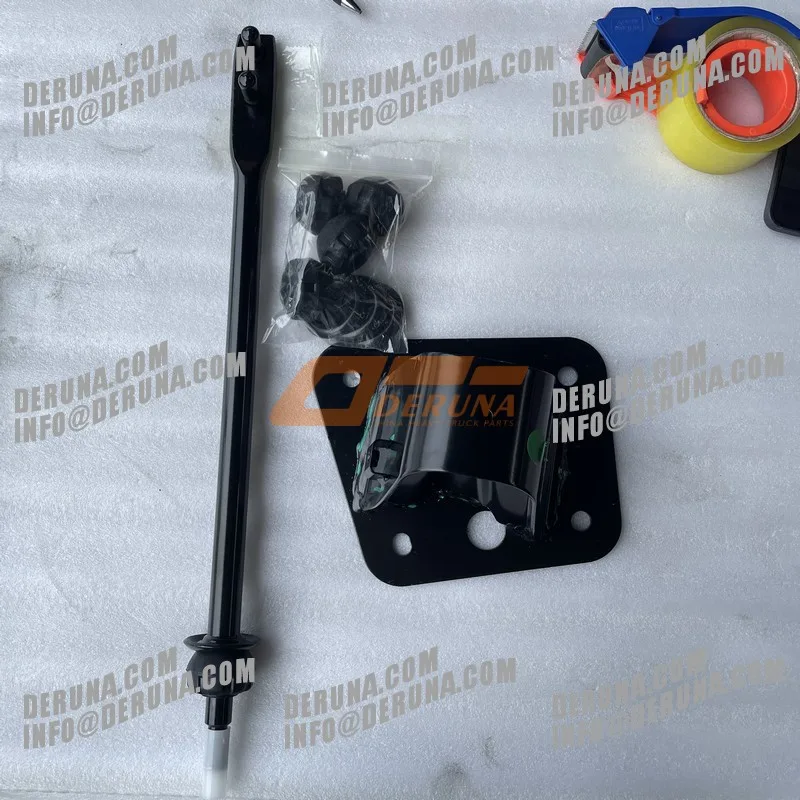
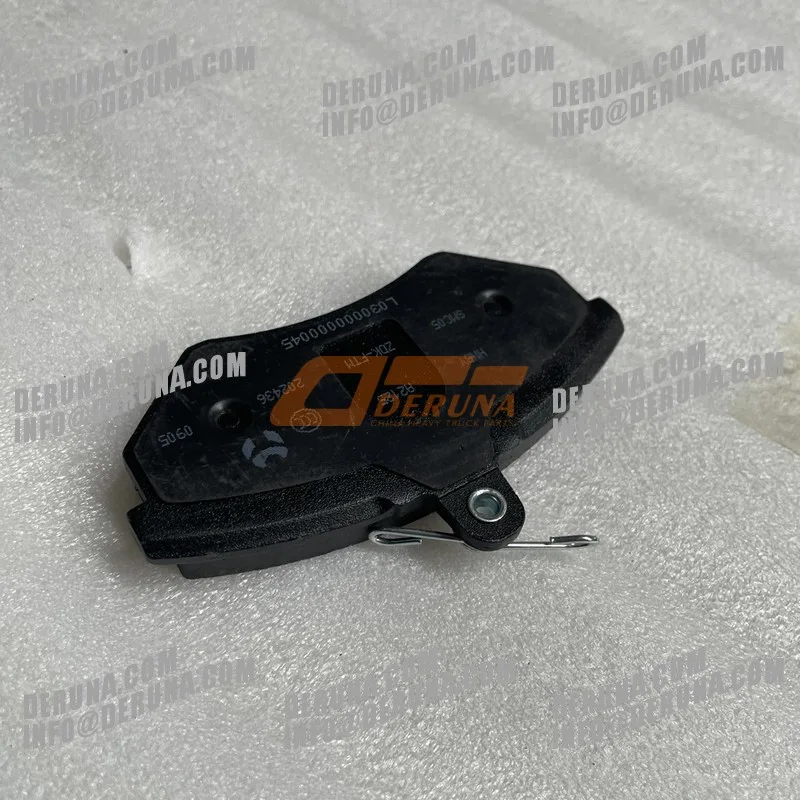
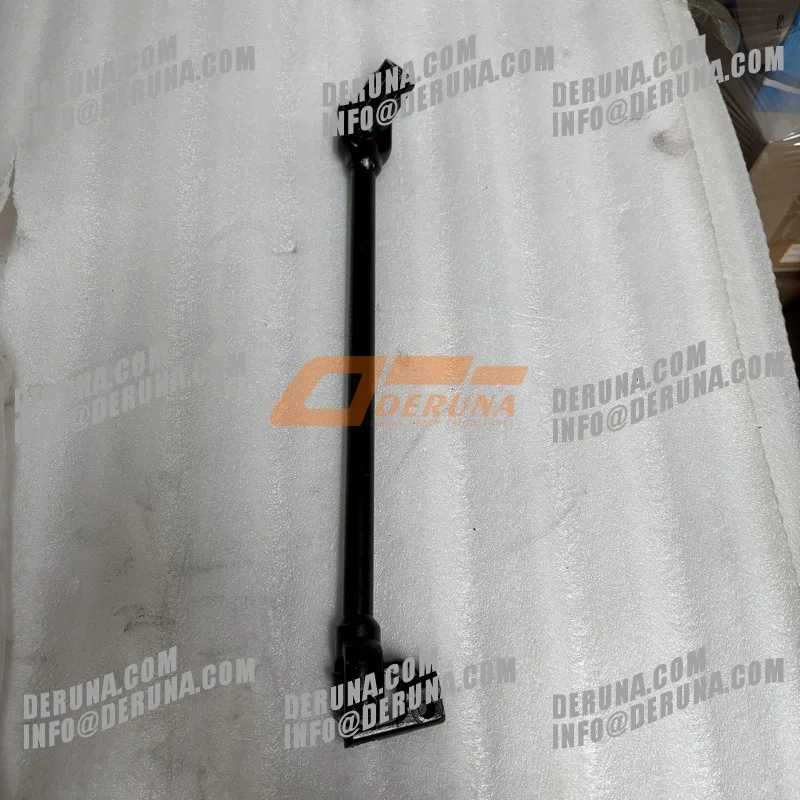
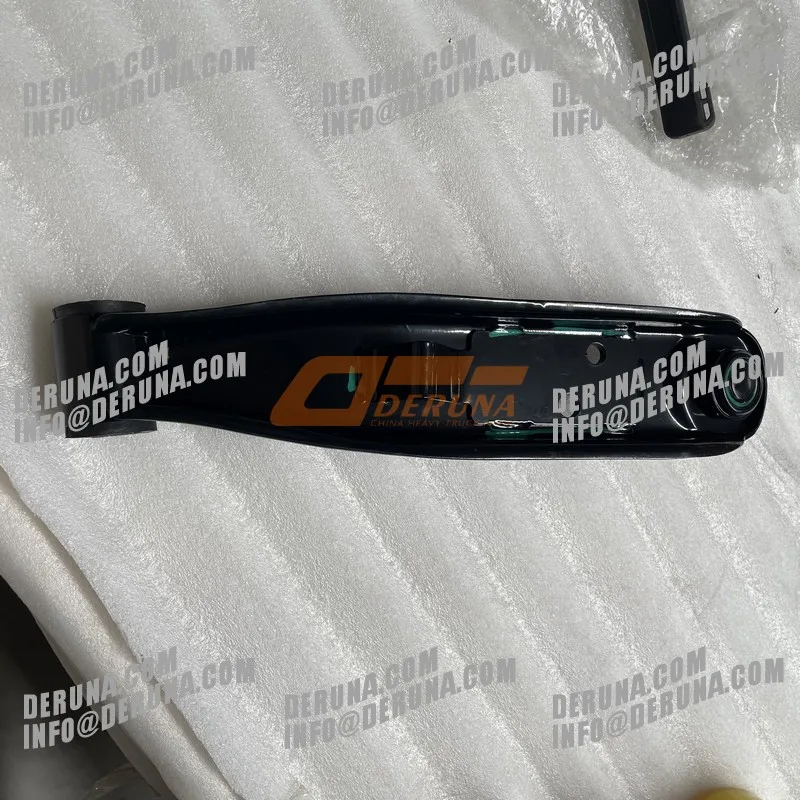
The L0292200901A0 Left Lower Control Arm Tie Rod is a FOTON suspension replacement component identified for the left lower control arm linkage. Our Foton truck parts range helps organise replacement selection around the correct OEM reference. A properly matched link supports the intended suspension arrangement and provides a practical foundation for repairing a confirmed connection fault.
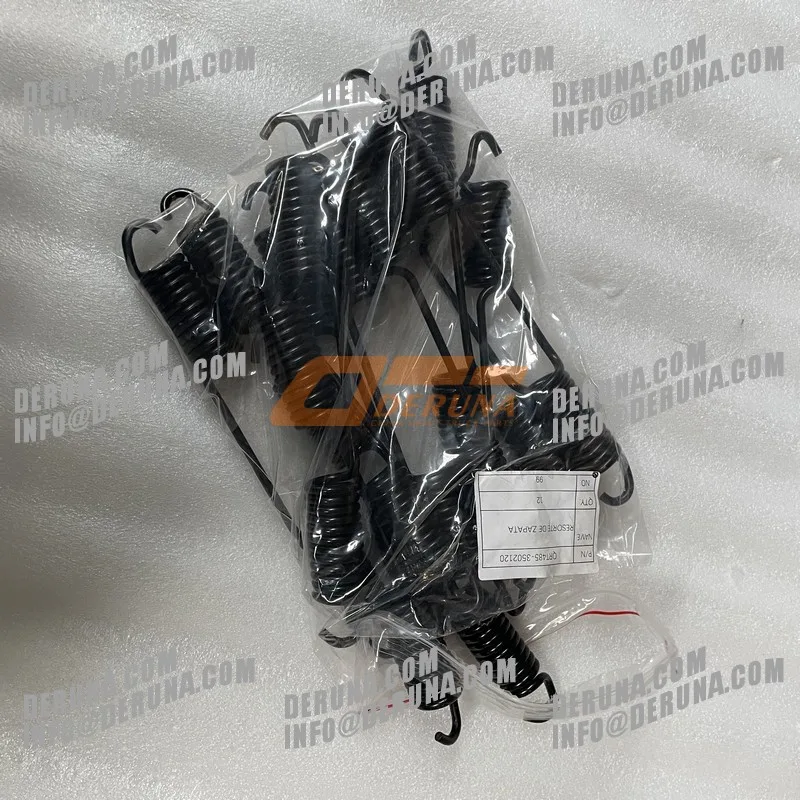
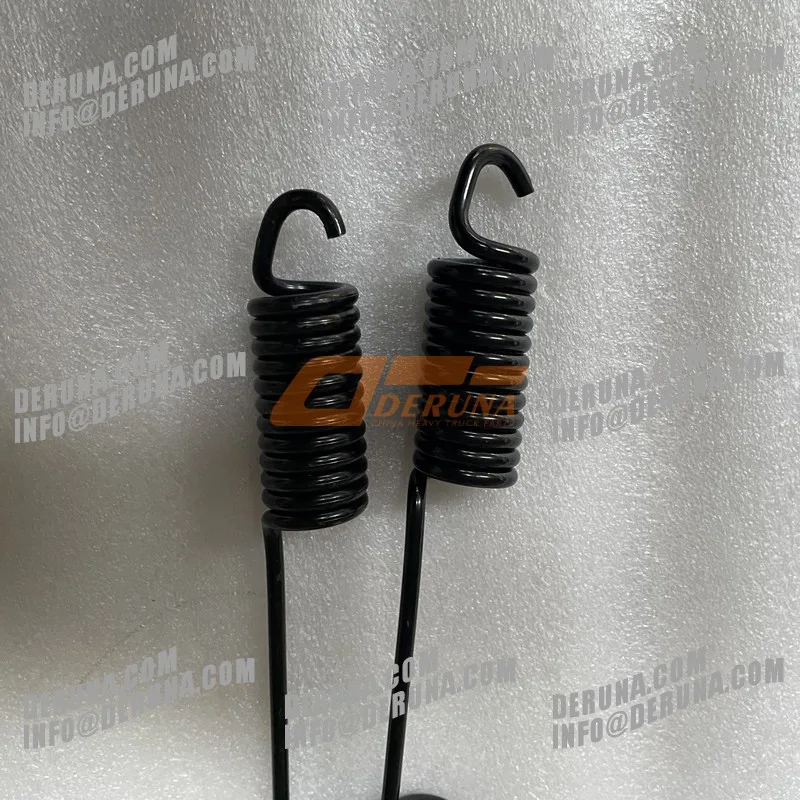
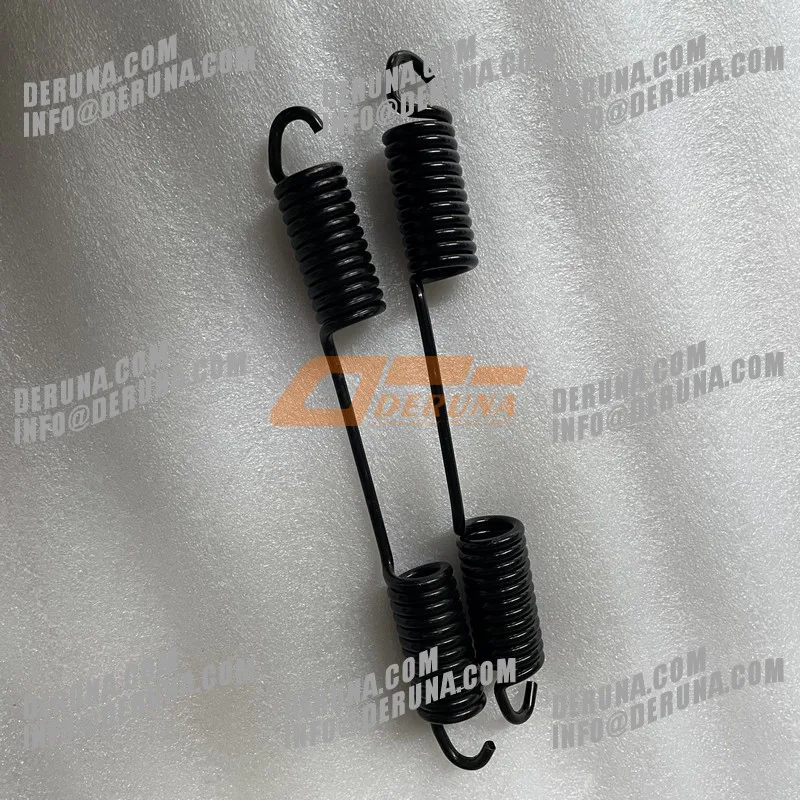
Suspension links help guide wheel movement while the vehicle responds to bumps, braking forces and changes in load. A tie rod associated with a lower control arm contributes to the locating arrangement of that suspension. Its exact role depends on the mounting geometry specified for the vehicle.
For L0292200901A0, the important starting point is the left lower control arm application. Confirm that position in the parts catalogue before comparing replacement options. The complete reference distinguishes the intended component more clearly than a general description mentioning a control arm or suspension rod.
A worn mounting connection may let suspension geometry change when road forces reverse direction. That movement can affect tracking and produce noises that appear only under particular driving conditions. Correcting the identified fault helps the suspension follow its intended path rather than relying on repeated driver corrections.
Commercial trucks benefit from consistent wheel location during depot manoeuvres and everyday transport. However, a new link cannot solve every stability complaint. Tyres, alignment, control arm mounts and adjacent joints all deserve attention when a workshop investigates an unsettled ride or irregular handling.
A knock from the left suspension area may indicate movement at a link, bracket or joint. Observe the surrounding assembly during the prescribed inspection rather than selecting a replacement from the sound alone.
Excessive movement at a connection requires evaluation against the manufacturer’s inspection method. Correctly supporting the suspension matters because loading conditions can change how wear appears at a bush or joint.
Tracking that changes under braking or over bumps can justify a broader suspension assessment. Check tyre condition, alignment and other locating components before concluding that the lower control arm tie rod is responsible.
A damaged link or mounting bracket must be investigated promptly. Cracks, deformation and displaced fasteners are not cosmetic issues. Do not return a truck with unsafe suspension damage to service before completing the required repair.
A catalogue reference identifies the replacement application, but it does not independently provide material grade, coating type or connection measurements. These specifications require manufacturer documentation. This product description therefore avoids assigning unsupported dimensions or construction details to the listed part.
Look beyond the link when preparing a repair. An elongated mounting hole, distorted bracket or defective adjoining joint can affect the replacement’s operation. Addressing those faults before assembly helps prevent the same symptoms from remaining after the main component has been changed.
The phrase lower control arm tie rod does not automatically identify an adjustable steering rack link. Confirm the component’s catalogue location and function before applying an adjustment procedure. The correct suspension instructions should determine whether any setting must be recorded or checked during replacement.
A qualified technician should use the vehicle workshop manual to plan the repair. Secure the truck and follow the designated lifting and support procedure. Suspension components may remain loaded even when a wheel is raised, so never disconnect a load bearing link without the prescribed support arrangement.
Before removing L0292200901A0, document its installed orientation and the order of any specified washers, spacers or locking components. Record adjustment positions only where the manual requires them. Inspect the adjoining structure so the technician can identify damage that might prevent accurate installation.
Compare the L0292200901A0 replacement with the removed component before assembly. Check connection engagement, mounting centres and clearance around adjacent parts. Do not force a mismatch into place. Where a connection uses a protected joint or sealing surface, prevent contamination and damage while the link is being positioned.
Fit the specified fasteners and replace locking items where instructed. Apply the documented torque values using the suspension position required for that connection. Bonded rubber bushes may need final tightening at normal ride height, while other joint arrangements can follow a different procedure.
Complete the prescribed checks before lowering the truck or returning it to operation. Assess alignment where the repair affects wheel locating geometry. After satisfactory workshop inspection, use a controlled road test to confirm that the original complaint has been resolved without introducing new noise or binding.
Inspect the L0292200901A0 suspension connections at the intervals specified for the vehicle and operating conditions. Look for displaced hardware, damaged supports and changes in joint condition. Where a cover or boot is fitted, damage should be assessed before contaminants can affect the protected connection.
Keep tyre pressures, loading practices and alignment within the truck’s specifications. These measures do not repair a worn link, but they support sensible diagnosis and reduce avoidable handling complaints. An alignment result should be interpreted alongside the condition of the suspension components that locate the wheels.
After an impact, inspect the surrounding assembly rather than checking only the most visible component. Bracket distortion or damage to an adjoining arm can alter the link’s position. Resolving those issues helps protect the effectiveness of a replacement and reduces the chance of a repeat repair.
Maintain a record of noises, tracking changes and workshop findings. Follow any approved lubrication or adjustment requirements for the actual joint design. Do not introduce grease into a sealed connection or alter link settings simply to hide a symptom that has not been diagnosed.
Prepare the replacement decision before dismantling by recording the original reference, vehicle configuration and identified fault. Compare those details with the catalogue application. This approach helps the workshop distinguish a required left side link from a visually similar component intended for another position or vehicle revision. Accurate identification reduces confusion between similar looking parts for different applications.
Our Foton truck parts range provides a focused way to organise related suspension replacements. Consider any bushes, joints or mounting hardware found defective during inspection. The condition of those components should guide the repair scope, rather than an assumption that every neighbouring part needs replacement.
Check the delivered component for handling damage and keep its identification with the repair record. Protect exposed connections while the workshop prepares the vehicle. Any disagreement between the replacement and the original mounting arrangement should be resolved before installation instead of being corrected through improvised modifications.
How do I verify L0292200901A0 for my FOTON truck?
Use the complete OEM reference with the vehicle parts catalogue and original assembly identification. Confirm the listed left lower control arm application, then check attachment dimensions and orientation. A matching brand or similar product picture is not enough to establish the correct fit.
Does this part replace a complete lower control arm?
This listing identifies a lower control arm tie rod, not automatically a complete arm assembly. Check the catalogue diagram to establish what is included and where it connects. Inspect the arm separately before deciding whether the repair requires additional components.
Must the opposite side link be replaced at the same time?
Inspect both sides, but follow their condition and the manufacturer procedure when deciding the repair scope. Replacing a left side component does not automatically prove that the opposite link is defective. Replace additional parts when inspection or service instructions justify that decision.
Choose the FOTON L0292200901A0 Left Lower Control Arm Tie Rod around verified application and a complete suspension inspection. Accurate identification, correct fastening and prescribed geometry checks help support predictable handling and a dependable repair for your commercial truck.
If you have any questions about our products, services, or anything related to what we offer, please don’t hesitate to leave us a message—our dedicated team is always ready to provide prompt and helpful responses to address your concerns. What’s more, when you become our valued customer, we’re delighted to offer you complimentary catalog services, giving you access to detailed, up-to-date information on our full range of products, specifications, and offerings to help you make informed decisions.