- ADDRESS:Jinan City, Shandong Province
- Wanda Plaza, Jinan, Shandong, China
- +8617615809553
- info@deruna.com

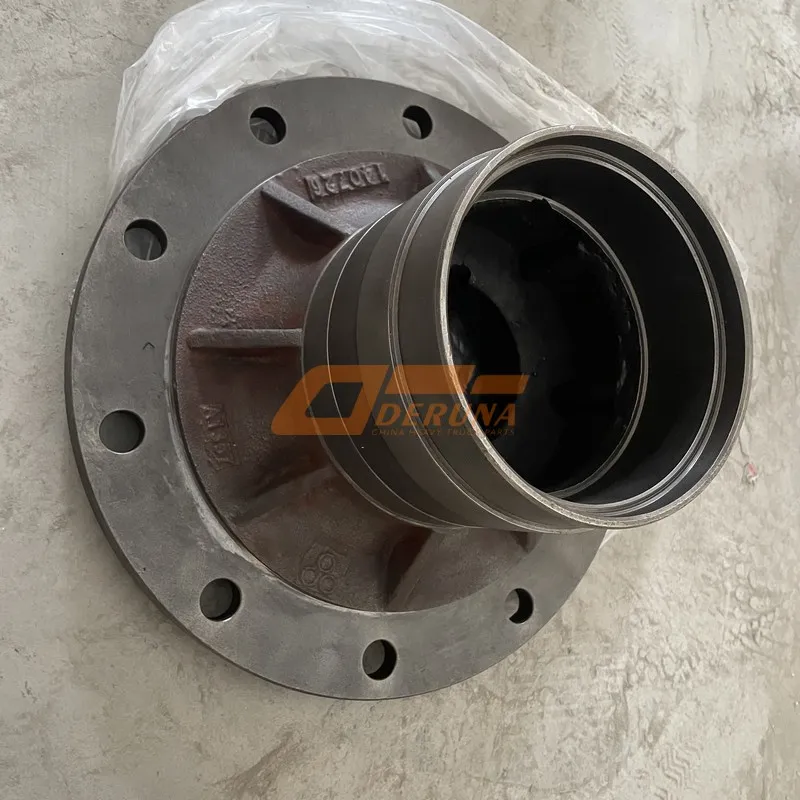
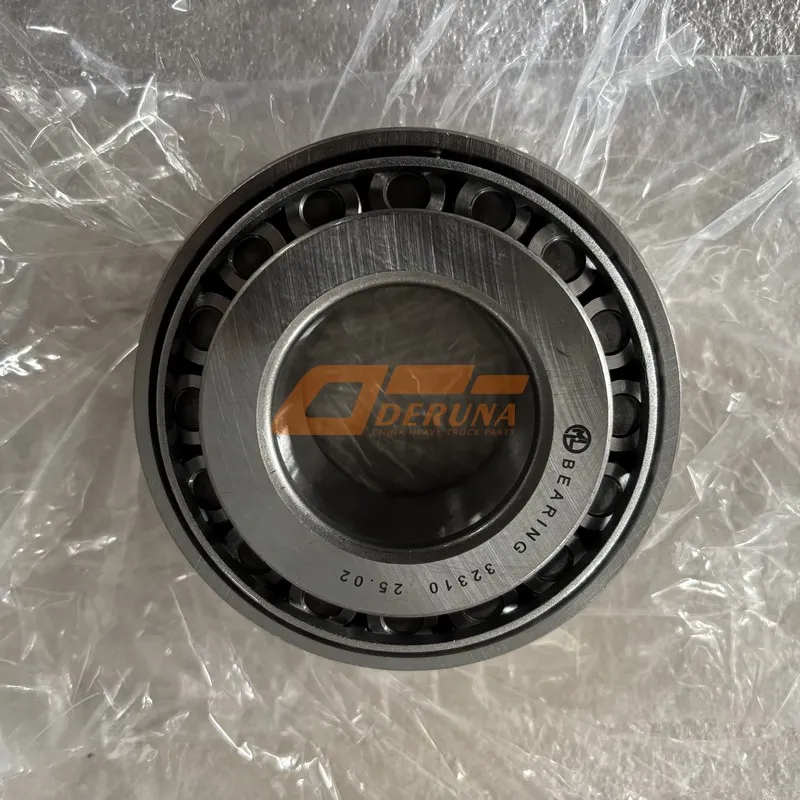
Maintaining the integrity of your truck’s lubrication systems is paramount, and it begins with selecting reliable Foton truck parts. The OEM part specification 140X160X13, designated as an Oil Seal, is a precision sealing component engineered for FOTON trucks to prevent fluid leakage and protect bearings from contaminants.
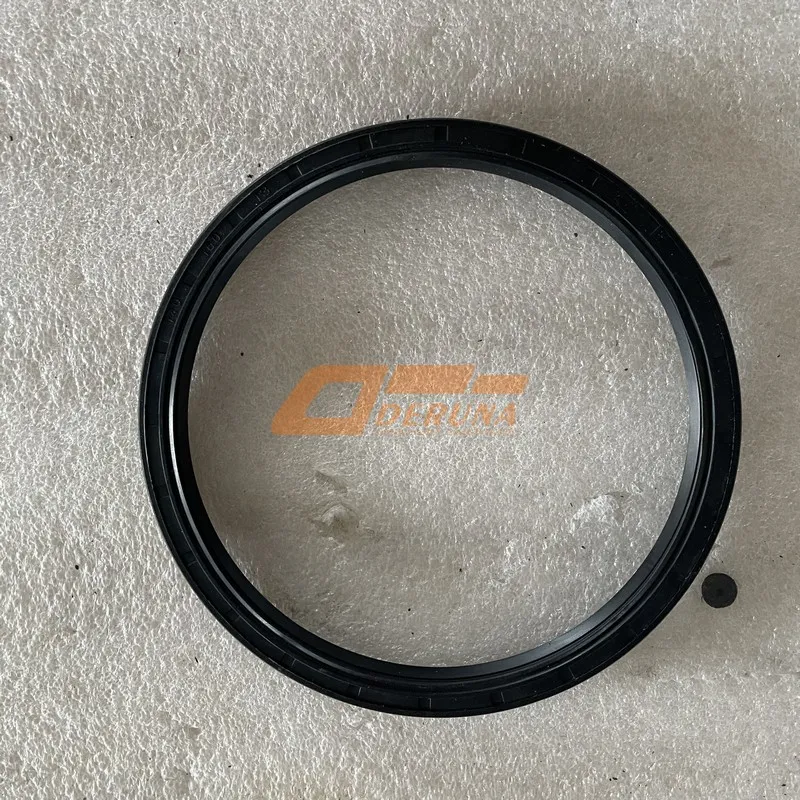
Oil Seal 140X160X13
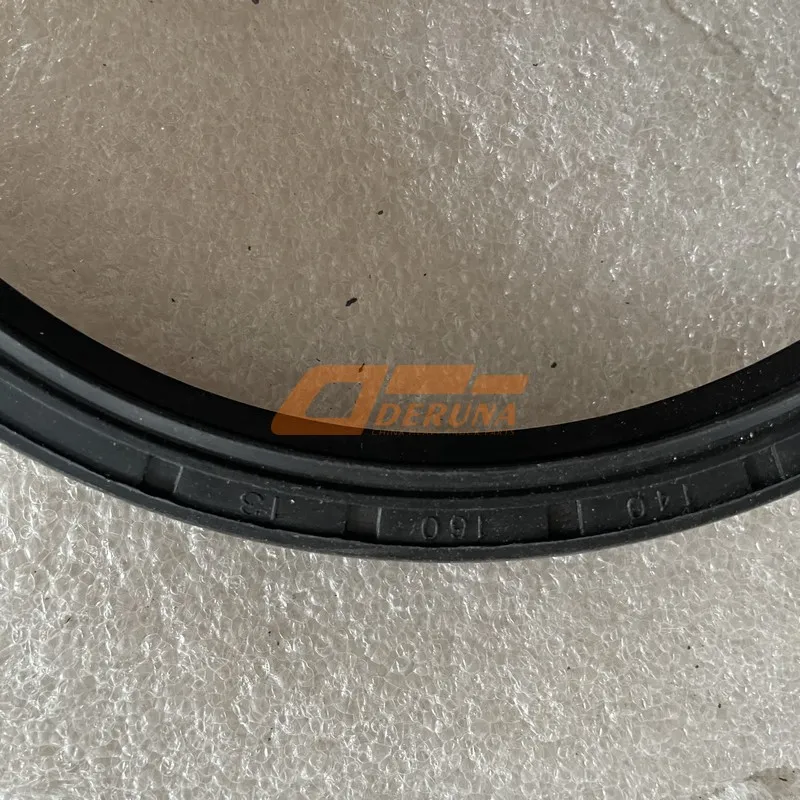
Маслосъемное уплотнение 140X160X13

Retén de Aceite 140X160X13
The 140X160X13 oil seal is a radial shaft seal, a vital component in preventing the escape of lubricants (like oil or grease) and blocking the entry of external contaminants such as dirt, dust, and water. Its dimensions—140mm inner diameter, 160mm outer diameter, and 13mm width—define its specific fit for shafts and housings in FOTON trucks.
Manufactured from advanced elastomers and often reinforced with a metal casing, this seal is built for durability in demanding environments. It is commonly used in wheel hubs, axle shafts, transmission outputs, and differential pinions. Recognizing the signs of a failing seal and replacing it promptly with the genuine 140X160X13 specification is crucial for proactive maintenance and avoiding costly secondary damage.
The primary function of the 140X160X13 seal is to create a reliable static and dynamic seal. The outer diameter forms a static seal against the housing bore, while the sealing lip(s) form a dynamic seal against the rotating shaft. Many seals, including this specification, feature a primary lip for fluid retention and a secondary, dust lip to exclude abrasive particles.
The sealing lip is typically spring-loaded. A garter spring applies constant radial force, ensuring the lip maintains contact with the shaft even as it wears slightly over time. The geometry of the lip is engineered to create a microscopic fluid film that lubricates the contact point, balancing sealing effectiveness with minimal friction and heat generation.
Robust Elastomer Compound: The sealing lip of the 140X160X13 is typically made from high-performance materials like Nitrile (NBR), Fluorocarbon (FKM/Viton), or Polyacrylate (ACM). These compounds offer excellent resistance to petroleum-based oils, temperature extremes, and oxidation.
Reinforced Metal Case: The outer body is usually a stamped steel casing, providing structural integrity and ensuring a secure, non-deforming fit in the housing. This prevents the seal from rotating or walking out under pressure or vibration.
Dual-Lip Design: Many variants of the 140X160X13 feature a dual-lip configuration. The primary lip retains the lubricant, while a secondary auxiliary lip faces outward to block dirt, dust, and moisture, significantly extending the life of the main seal and the components it protects.
Temperature and Chemical Resistance: The selected elastomer is formulated to perform across a wide temperature range (from -40°C to over 150°C for some compounds) and resist degradation from specific lubricants and environmental chemicals encountered by FOTON trucks.
Low-Friction Design: The lip profile and spring tension are optimized to provide effective sealing with minimal drag on the shaft. This reduces power loss and prevents excessive heat buildup, which can degrade both the seal and the lubricant.
The oil seal with dimensions 140X160X13 is found in several critical locations on a FOTON truck. A primary application is in the rear axle hub assembly. Here, it seals the axle shaft where it exits the differential or wheel hub, keeping gear oil in and contaminants out.
Another key application is in the front wheel hubs of 4×4 or all-wheel-drive models, sealing the interface between the rotating hub and the stationary steering knuckle. It may also be employed in various gearboxes, PTO (Power Take-Off) units, and hydraulic pump shafts. Correct identification of the seal location and its specifications, like 140X160X13, is essential for a successful repair that restores system integrity.
Early detection of seal failure prevents major component damage. The most obvious symptom of a failing 140X160X13 seal is a visible fluid leak. You may see oil or grease accumulating around the seal area, on the inside of the wheel, or dripping onto the ground. The leak may be minor at first but can worsen rapidly.
Contaminant ingress is a less visible but equally damaging symptom. If the seal’s exclusion lip fails, dirt and water can enter the bearing or gear cavity. This often manifests as grinding noises from the affected area, premature bearing wear, or contaminated, discolored grease upon inspection. In wheel applications, a failed seal can lead to brake contamination, reducing braking efficiency.
Proper installation is critical to the performance and lifespan of the 140X160X13 oil seal. Incorrect installation is a leading cause of premature seal failure. The process requires cleanliness, the right tools, and careful technique.
Critical Installation Steps:
1. Cleanliness: Thoroughly clean the shaft and housing bore. Remove all old seal material, rust, and burrs. Any abrasive particle left can damage the new seal lip during installation.
2. Shaft Preparation: Inspect the shaft sealing surface for grooves, scratches, or wear. A worn shaft will cause a new 140X160X13 seal to leak immediately. Use a shaft repair sleeve if necessary.
3. Lubrication: Lubricate the seal’s inner lip and the shaft with the same fluid the seal will retain (clean oil or grease). This prevents dry start damage during initial rotation.
The 140X160X13 oil seal is generally considered a maintenance-free component until it requires replacement. However, its service life is extended by proper system maintenance. Regularly check fluid levels to ensure the seal is not running dry, which causes excessive heat and wear. Keep the external area clean to reduce the abrasive load on the dust lip.
During routine servicing, visually inspect the area around the seal for any signs of weeping or leakage. The service life of a seal varies greatly based on operating conditions—shaft speed, temperature, fluid type, and environmental exposure. A well-installed, high-quality 140X160X13 seal in a stable application can last for tens of thousands of kilometers. It is often replaced as part of a larger component overhaul, such as during bearing or brake service.
The table below details the standard technical parameters for the FOTON Oil Seal, specification 140X160X13. These dimensions are the defining characteristics of this part.
| Parameter | Specification |
|---|---|
| OEM Specification | 140X160X13 |
| Brand | FOTON |
| Product Name | Oil Seal (Radial Shaft Seal) |
| Inner Diameter (d) | 140 mm |
| Outer Diameter (D) | 160 mm |
| Width (W) | 13 mm |
| Material (Typical) | Nitrile Rubber (NBR) with Steel Case |
| Lip Configuration | Single or Double Lip with Garter Spring |
| Temperature Range | -40°C to +120°C (NBR Typical) |
| Primary Applications | Axle Shafts, Wheel Hubs, Transmission Outputs |
Note: The exact lip configuration and elastomer compound may vary depending on the specific FOTON truck model and application. Always verify the seal’s appearance and material against the original part when replacing.
Selecting a seal that precisely matches the 140X160X13 dimensions and material specifications is non-negotiable for a reliable repair. Genuine FOTON-specified seals are manufactured to exact tolerances, ensuring the inner diameter provides the correct interference fit on the shaft, and the outer diameter fits snugly in the housing without distortion.
Aftermarket seals advertised as “equivalent” may have subtle differences in lip design, spring tension, or elastomer hardness. These can lead to inadequate sealing, increased friction, or shortened life. The correct 140X160X13 seal is engineered for the specific shaft surface finish, rotational speed, and chemical environment of its intended location. Using a substandard seal risks rapid failure, leading to lubricant loss, bearing failure, and far higher repair costs.
Q: What do the numbers 140X160X13 mean on the oil seal?
A: These are the critical dimensions: 140mm is the inner diameter (shaft size), 160mm is the outer diameter (housing bore size), and 13mm is the width or thickness of the seal. These must match the application exactly.
Q: Can I reuse an old 140X160X13 oil seal?
A> No. Oil seals are designed as single-use components. The sealing lip undergoes permanent set and wear during operation. Removing it almost always damages the lip. Always install a new seal.
Q: My seal is leaking. Could it be due to something other than the seal itself?
A> Yes. Common causes include: a damaged or grooved shaft sealing surface, a cracked or pitted housing bore, excessive shaft runout or endplay, over-pressurization of the cavity, or using an incompatible fluid that swells or degrades the elastomer.
Q: How do I remove the old 140X160X13 seal without damaging the housing?
A> Use a dedicated seal puller or a carefully positioned pry tool behind the metal case. Avoid scratching or gouging the housing bore, as this will prevent the new seal from seating properly.
Q: Is it necessary to replace the bearing when replacing this seal?
A> Not always, but it is highly recommended if the seal failure allowed contaminants to enter. Inspect the bearing for roughness, noise, or play. Since the labor to access both is often similar, replacing both the bearing and the 140X160X13 seal during a repair is a cost-effective, preventative practice.
The 140X160X13 oil seal is a perfect example of a small, inexpensive component that plays an outsized role in the health and reliability of your FOTON truck. Its failure can lead to the loss of expensive lubricants, contamination of critical mechanical systems, and ultimately, catastrophic component failure.
By insisting on a seal that matches the precise 140X160X13 dimensions and the quality standards expected for your vehicle, you protect your investment and ensure uninterrupted operation. In the demanding world of commercial trucking, reliability is built on paying attention to every detail, including the humble but vital oil seal.
This guide has provided a comprehensive overview of the FOTON Oil Seal. For specific application confirmation and parts sourcing, always refer to your vehicle’s service manual and trusted FOTON parts suppliers.
If you have any questions about our products, services, or anything related to what we offer, please don’t hesitate to leave us a message—our dedicated team is always ready to provide prompt and helpful responses to address your concerns. What’s more, when you become our valued customer, we’re delighted to offer you complimentary catalog services, giving you access to detailed, up-to-date information on our full range of products, specifications, and offerings to help you make informed decisions.