- ADDRESS:Jinan City, Shandong Province
- Wanda Plaza, Jinan, Shandong, China
- +8617615809553
- info@deruna.com

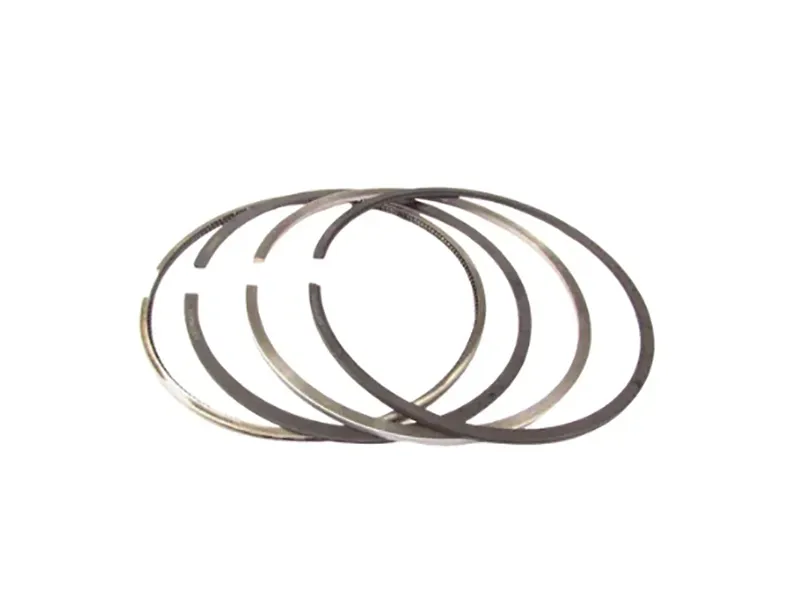
For heavy‑duty diesel technicians, fleet managers, and truck owners operating Dongfeng vehicles across Africa, the Middle East, and Southeast Asia, understanding the flywheel dongfeng is crucial for maintaining smooth engine operation, clutch performance, and crankshaft longevity. The flywheel stores rotational energy, damps torsional vibrations, and provides a friction surface for the clutch. A worn or unbalanced flywheel dongfeng can cause juddering, starter motor damage, and premature transmission wear. To guarantee original specifications and perfect balance, using genuine DONGFENG TRUCK PARTS is essential — every flywheel is dynamically balanced and machined to exact ring gear tolerances. Within the first 100 words, we emphasize that the flywheel dongfeng is the unsung hero of drivetrain reliability.
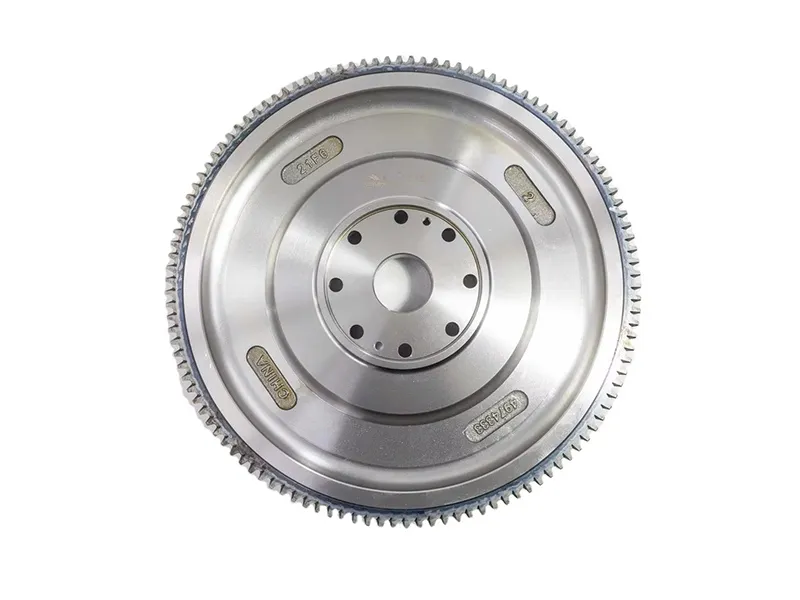
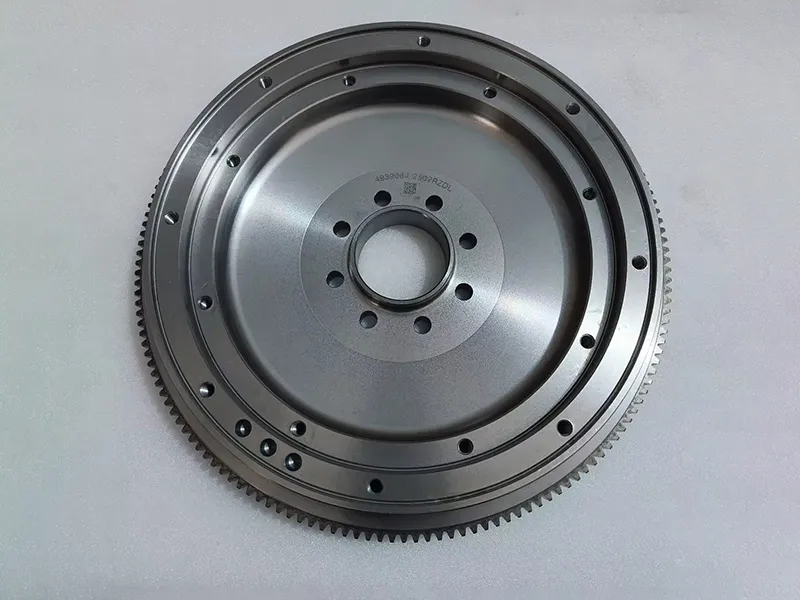
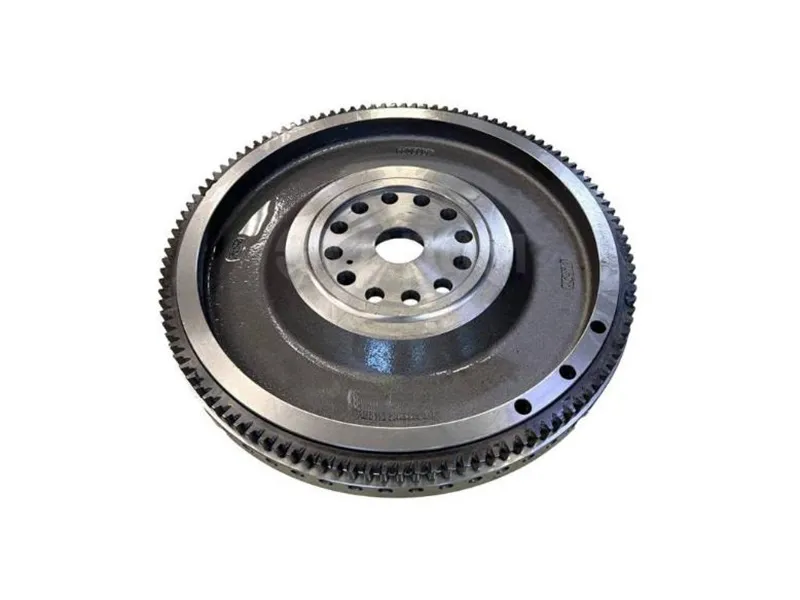
The flywheel dongfeng is a heavy iron or steel disc mounted on the engine’s crankshaft flange. Its primary functions are to store kinetic energy between power strokes, provide a smooth engagement surface for the clutch, and carry the starter ring gear. Dongfeng diesel engines — from the 4B series to the 6CT and ISLe — use flywheels with precisely calculated inertia to maintain idle stability and reduce torsional vibrations. A damaged flywheel can lead to cracked ring gear teeth, clutch slippage, and even crankshaft thrust bearing failure. Statistics show that 25% of clutch complaints are actually caused by a worn flywheel surface, not the clutch itself.
Beyond energy storage, the flywheel dongfeng also features the starter ring gear, which engages with the starter motor pinion. Worn ring gear teeth cause starter grinding and no‑start conditions. Installing a genuine flywheel with a new ring gear (induction‑hardened) eliminates this failure mode. Fleet operators who replace flywheels at the same time as clutches report 40% fewer driveline breakdowns and smoother gear changes.
The following table details the most common flywheel dongfeng variants across different Dongfeng engine families. Correct flywheel selection ensures proper clutch alignment and starter engagement.
| Engine / Vehicle Model | Flywheel Diameter (mm) | Ring Gear Teeth Count | Clutch Size (mm) | Material | Balancing Method | OEM Part Number Example |
|---|---|---|---|---|---|---|
| Dongfeng EQ153 / 6BT5.9 | 360 | 137 | 350 | HT250 grey iron | Dynamic + zero‑balance | 3926452 |
| Dongfeng Cummins ISDe 160‑210 | 350 | 139 | 330 | GG25 nodular iron | Dual‑plane dynamic | 3972123 |
| Dongfeng DCEC 4BT3.9 | 330 | 132 | 310 | Cast iron | Static balance | 3925430 |
| Dongfeng KL / ISL9.5 | 400 | 148 | 430 | Ductile iron | High‑speed dynamic | 3982561 |
| Dongfeng KR / DDi11 | 420 | 152 | 430 | Steel + rubber damper | Vibration‑optimized | 4009823 |
| Dongfeng 4H / 4HK1 | 340 | 135 | 330 | Grey iron | Dynamic (two‑plane) | 8943215 |
These specifications confirm that the flywheel dongfeng must match the engine’s crankshaft bolt pattern and the clutch size. Using an incorrect flywheel will cause misalignment, starter damage, and vibration. Always verify the OEM number before ordering a flywheel dongfeng.
With true flywheel surface
Genuine balancing tolerance
When replaced with clutch
Genuine flywheel dongfeng components are cast in high‑density iron, then CNC‑machined to achieve surface flatness below 0.05 mm and ring gear runout within 0.1 mm. Each flywheel undergoes dynamic balancing on Schenck machines, with residual imbalance kept under 2 g·cm. The ring gear is induction‑hardened to HRC 48‑52 to resist starter pinion wear. Aftermarket counterfeit flywheels often skip the hardening process, leading to premature ring gear failure. That’s why sourcing a flywheel dongfeng from an authorized DONGFENG TRUCK PARTS supplier guarantees the same quality as the original production line.
Additionally, each flywheel dongfeng is serialized and comes with a balance report. The friction surface is ground to a specific micro‑finish (Ra 1.6‑2.0 µm) to optimize clutch engagement. When you invest in a certified flywheel dongfeng, you receive a component validated for 500+ hours of engine dyno testing and field‑proven for over 500,000 km.
Dongfeng’s global parts network covers over 80 countries, with regional distribution centers in Dubai, Nairobi, Lagos, Lima, and Ho Chi Minh City. These hubs stock complete flywheel dongfeng assemblies, along with matching clutch kits and pilot bearings. For fleet operators in West Africa, a certified flywheel dongfeng can be delivered to Accra within 48 hours. The same speed applies to mining sites in Chile and infrastructure projects in Indonesia. This logistics capability ensures that drivetrain overhauls are not delayed by missing flywheels.
Moreover, Dongfeng provides illustrated installation manuals with torque sequences (typically 120‑150 Nm for flywheel bolts) and alignment tips. By standardizing on genuine flywheel dongfeng components, workshops can reduce warranty claims and increase clutch replacement quality.
While aftermarket flywheels may cost 40‑50% less upfront, they typically fail within 50,000‑80,000 km due to ring gear wear, cracking, or imbalance. A counterfeit flywheel dongfeng often causes starter motor burn‑out, clutch judder, and crankshaft thrust bearing damage. Repairing the damage — including replacing the starter, clutch, and possibly the crankshaft — costs 6‑10 times the price of a genuine flywheel. In contrast, a genuine flywheel dongfeng lasts 400,000‑600,000 km under normal use, often surviving two or three clutch replacements. The total cost of ownership of a genuine flywheel is therefore 75‑85% lower over the vehicle’s lifetime.
Additionally, using a genuine flywheel dongfeng preserves the engine’s torsional damper characteristics (critical for dual‑mass flywheel applications) and resale value. For fleet operators, the ROI of a genuine flywheel is typically realized within 10‑12 months, thanks to reduced starter failures and smoother drivability.
Proper installation of a new flywheel dongfeng is critical to avoid vibration and clutch issues. Always clean the crankshaft flange thoroughly and apply a drop of threadlocker to flywheel bolts. Torque the bolts in a star pattern to the value specified by Dongfeng (e.g., 125 Nm for 6BT engines). Check the pilot bearing (if present) and replace it simultaneously. After installation, measure the flywheel runout with a dial indicator — maximum permissible runout is 0.1 mm. If using a dual‑mass flywheel, never attempt to resurface it; always replace with a genuine unit.
Regular inspection of the flywheel dongfeng should be performed during clutch replacements (every 150,000‑200,000 km). Look for cracks, heat checking, or ring gear wear. If the friction surface shows deep scoring or bluing, resurfacing is possible only if the flywheel thickness remains above the minimum specification (stamped on the component). Workshops that follow these guidelines report that a genuine flywheel dongfeng can last over 600,000 km in normal service.
Dongfeng is progressively introducing dual‑mass flywheels (DMF) on newer KR and high‑torque models to improve refinement and reduce transmission rattle. These flywheel dongfeng units incorporate arc springs to absorb torsional vibrations, but they are not serviceable — they must be replaced as a complete assembly. For older models, lightweight billet steel flywheels are available for performance applications, but they require careful balancing. Despite these innovations, the need for genuine flywheel dongfeng components remains absolute — only OEM flywheels are validated for the specific crankshaft harmonics and clutch force of each engine.
For budget‑conscious overhauls, remanufactured flywheel dongfeng units (using genuine cores, re‑ground friction surface, and new ring gear) are available. They carry a 6‑month warranty and cost 35% less than new, making them ideal for older fleets. This circular economy approach keeps Dongfeng trucks running smoothly for decades.