- ADDRESS:Jinan City, Shandong Province
- Wanda Plaza, Jinan, Shandong, China
- +8617615809553
- info@deruna.com

Ensure the utmost safety and security for your vehicle’s wheels with the genuine SHACMAN Wheel Nut, identified by the OEM part number Q30022. This critical fastening component is responsible for clamping the wheel assembly securely to the truck’s hub, bearing the immense loads and stresses of heavy-duty operation. As a fundamental element among essential Shacman truck parts, the Q30022 nut is engineered to exact specifications for thread pitch, tensile strength, and cone seat angle.
Its failure can lead to catastrophic wheel separation, making its integrity non-negotiable. Manufactured from high-grade, heat-treated steel, this nut resists stretching, stripping, and corrosion. Proper torque application on the Q30022 is vital to maintain clamp load and prevent loosening due to vibration. Using genuine nuts like Q30022 ensures perfect compatibility with SHACMAN wheel studs and rims, guaranteeing that your most critical connection to the road remains secure mile after grueling mile.
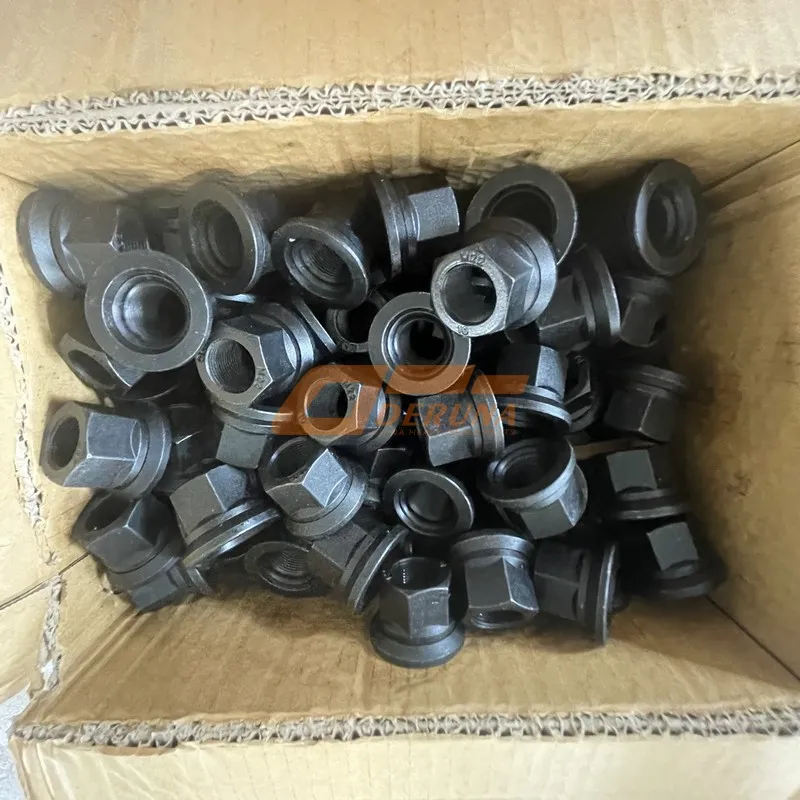
Wheel Nut
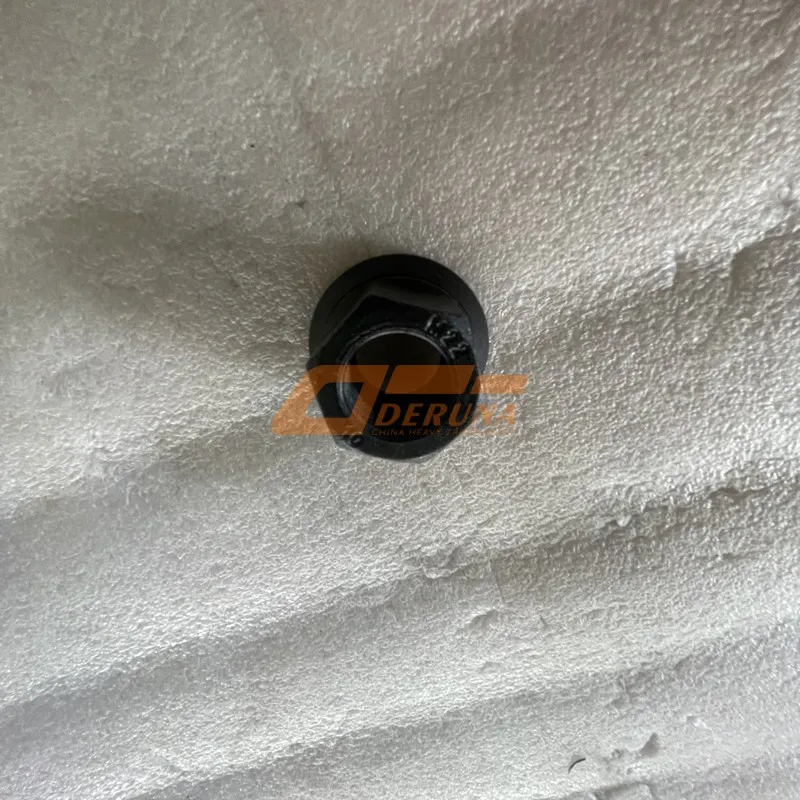
Гайка колеса

Tuerca de Rueda
The Q30022 Wheel Nut is far more than a simple fastener; it is a precision-engineered safety device. Its primary function is to create and maintain the essential clamp load that holds the wheel rim tightly against the hub face. This load must counteract the tremendous shear forces generated during acceleration, braking, and cornering, as well as the constant vibrational stresses from road surfaces.
The nut’s conical seat (or ball seat, depending on design) mates perfectly with the corresponding taper in the wheel hole, ensuring precise centering of the wheel. This correct centering is crucial for balanced rotation. Each Q30022 nut on a wheel shares the load with the others, and if one fails or is under-torqued, the remaining nuts are overloaded, initiating a dangerous chain reaction. Therefore, the integrity of every single Q30022 nut is paramount for distributing stress evenly and preventing wheel wobble, stud fatigue, and ultimately, wheel detachment.
The SHACMAN Q30022 Wheel Nut is manufactured to withstand extreme mechanical demands. It starts as high-carbon or alloy steel, chosen for its optimal balance of strength and ductility. The material undergoes a rigorous forging process to align its grain structure for maximum toughness, followed by precision machining to achieve exact thread dimensions and seat angle. A critical step is heat treatment, which involves quenching and tempering to achieve the required hardness and tensile strength, often graded to industry standards like Grade 8 or 10.
This prevents the nut from stretching (yielding) under proper torque or becoming brittle. The surface is typically treated with a zinc or chrome plating to provide a corrosion-resistant barrier against road salt, water, and chemicals. This plating also provides a consistent coefficient of friction, which is essential for accurate torque-to-tension conversion during installation. The result is a Q30022 nut that resists wear, corrosion, and fatigue over thousands of tightening cycles.
| Parameter | Specification |
|---|---|
| OEM Part Number | Q30022 |
| Component Type | Wheel Nut / Lug Nut |
| Compatible Brand | SHACMAN Trucks & Chassis |
| Thread Size | M22 x 1.5 (Example) |
| Seat Type | Conical Seat (e.g., 60-degree) |
| Material Grade | High-Strength Forged Steel |
| Surface Finish | Zinc Plated (Anti-Corrosion) |
Correct installation of the Q30022 Wheel Nut is a safety-critical procedure. Always start with clean, undamaged threads on both the stud and the nut. Lightly lubricating the nut’s threads with engine oil is sometimes specified to ensure consistent friction; however, always follow the vehicle manufacturer’s specific guidance, as some prohibit lubrication.Mount the wheel onto the hub, ensuring it sits flush. Hand-tighten all Q30022 nuts in a star or crisscross pattern to seat the wheel evenly.
Then, using a calibrated torque wrench, tighten the nuts in multiple stages, following the same pattern. The final torque must meet the exact specification for your SHACMAN model (e.g., 500-600 Nm). Never use an impact wrench for the final tightening without verifying with a torque wrench, as over-torquing can stretch studs or damage the nut’s seat. After the first 50-100 km of driving, re-check the torque on all Q30022 nuts, as initial settling may occur.
Regular inspection of wheel nuts like the Q30022 is essential for preventative maintenance. Visually check for obvious signs of damage: cracks in the body of the nut, especially near the flange. Look for significant corrosion or rust that can weaken the metal and alter friction characteristics. The conical seating surface must be clean and free of dirt, paint, or deformation; any imperfections here prevent proper wheel centering and clamping. Check for “necking” or stretching of the nut, which may be visible as a thinner section below the threads.
Inspect the threads for stripping, galling, or cross-threading. A nut that has been repeatedly over-torqued may have a rounded-off hex profile, making proper socket engagement difficult. Any Q30022 nut showing these signs must be replaced immediately as a set with other nuts on the same wheel. Do not mix old and new nuts, as their clamping characteristics may differ.
The Q30022 nut is arguably one of the most safety-critical components on a truck. A single failed nut increases load on others, potentially leading to stud shearing and complete wheel separation at highway speeds—a catastrophic event. Proper torque and condition of the Q30022 directly prevent wheel-off incidents, protecting the driver, other road users, and cargo. This makes routine inspection and correct installation not just maintenance, but a core safety protocol for any professional operation.
Always replace wheel nuts in complete sets per axle or wheel position. Mixing worn and new Q30022 nuts can lead to uneven clamp load. Use a wire brush to clean wheel stud threads before installing new nuts. Keep a log of torque checks. If a stud is damaged, replace it along with the nuts. During tire changes, inspect every nut. Carry spare Q30022 nuts in your truck’s emergency kit. These practices ensure the wheel attachment system remains in optimal, safe condition.
The Q30022 Wheel Nut is designed for specific SHACMAN truck applications. Correct fitment depends on three key factors: thread size and pitch (e.g., M22x1.5), the seat type and angle (e.g., 60-degree cone), and the hex size for the socket. Using a nut with incorrect threads will damage the studs. A mismatched seat angle will not center the wheel properly, leading to vibration and stud fatigue. Always verify the OEM number Q30022 against your truck’s parts catalog or VIN.
These nuts are typically used on SHACMAN’s front and rear wheels for various models, including dump trucks, tractors, and haulage vehicles. Do not assume compatibility across different model years or axle types. Genuine Q30022 nuts guarantee that all these parameters match the original equipment, ensuring safe and secure wheel attachment without compromising the integrity of the wheel studs or the rim itself.
Using non-genuine or substandard wheel nuts poses severe risks. Inferior materials may not meet the required tensile strength, leading to stretching or shearing under load. Poorly machined threads can gall and seize on the stud, making removal impossible without cutting. Incorrect heat treatment can make nuts brittle, causing them to crack.
An inaccurate seat angle leads to improper wheel clamping, resulting in chronic vibration, premature wheel bearing failure, and cracked rims. The financial risk of a wheel-off accident—including vehicle damage, cargo loss, liability, and downtime—dwarfs the minimal cost savings from counterfeit fasteners. The Q30022 designation is your assurance of quality control, material traceability, and performance that meets SHACMAN’s rigorous safety standards.
If you encounter a rusted or seized Q30022 nut, apply a penetrating lubricant and allow it to soak before attempting removal with the correct socket. Avoid excessive heat that can weaken the stud. If a nut is over-torqued and rounded, use a specialized extraction socket. Consistent loosening of nuts on a specific wheel may indicate a warped rim, damaged studs, or contaminated seating surfaces. A recurring problem often points to an underlying issue beyond the nut itself, requiring inspection of the hub, studs, and rim.
The genuine Q30022 Wheel Nut is built for the long haul. Its high-grade steel and protective plating resist the corrosive effects of road salts, brake dust, and weather. The precision machining ensures even load distribution across its threads and seat, minimizing localized wear. When installed and torqued correctly, it maintains its clamp force indefinitely, resisting the tendency to loosen under vibration—a phenomenon known as “fretting.”
This durability means that with proper periodic re-torquing and visual inspection, a set of Q30022 nuts can last the lifetime of multiple wheel sets and tire changes. This reliability translates directly into peace of mind for drivers and fleet managers, eliminating one potential source of catastrophic failure from the daily checklist of concerns.
For commercial fleets, maintaining every vehicle with genuine components like the Q30022 nut is part of regulatory compliance and duty of care. Safety inspections often include checking wheel fasteners for tightness and condition. Using OEM-specified parts demonstrates a commitment to maintenance standards, which can be crucial in the event of an audit or accident investigation.
It also ensures consistency across the fleet; mechanics know exactly what torque specification and procedure to use for the Q30022, reducing human error. This standardization simplifies training, inventory management (stocking a single proven part number), and warranty claims. Investing in genuine Q30022 Wheel Nuts is an investment in a standardized, safe, and compliant maintenance operation.
In summary, the SHACMAN Wheel Nut Q30022 is a small component that carries a massive responsibility. It is the final, critical link securing the wheel to the vehicle. Its precision engineering, material strength, and corrosion resistance are all focused on one goal: maintaining a constant, reliable clamp load under all operating conditions.
By insisting on genuine Q30022 nuts, following strict torquing procedures, and conducting regular inspections, operators uphold the highest safety standard. This proactive approach prevents one of the most dangerous mechanical failures on the road, ensuring that every journey concludes as safely as it began.