- ADDRESS:Jinan City, Shandong Province
- Wanda Plaza, Jinan, Shandong, China
- +8617615809553
- info@deruna.com


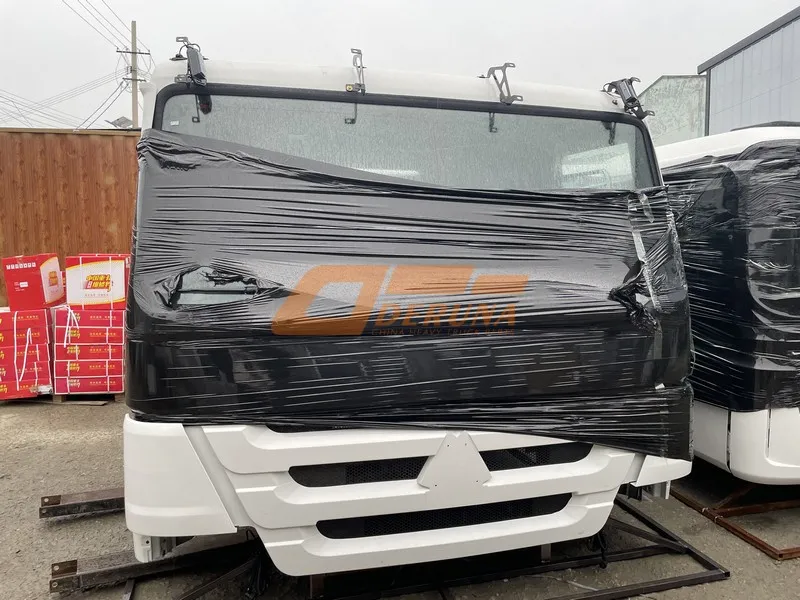
For heavy‑duty professionals, understanding sino truck gear position is not merely about moving a lever—it is the gateway to fuel efficiency, component longevity, and operational safety. The transmission systems on Sinotruk vehicles, including the renowned HOWO series, rely on precise gear position sensing to deliver seamless power delivery.
Whether you operate a manual 12‑speed or an automated AMT gearbox, accurate sino truck gear position feedback ensures smooth shifts and protects the driveline from excessive wear. To maintain this precision, using authentic Sinotruk Howo Parts—such as gear position sensors, shift forks, and electronic control units—is non‑negotiable. Within the first 100 words, we emphasize that sino truck gear position is the cornerstone of modern fleet efficiency across Africa, the Middle East, and Latin America.
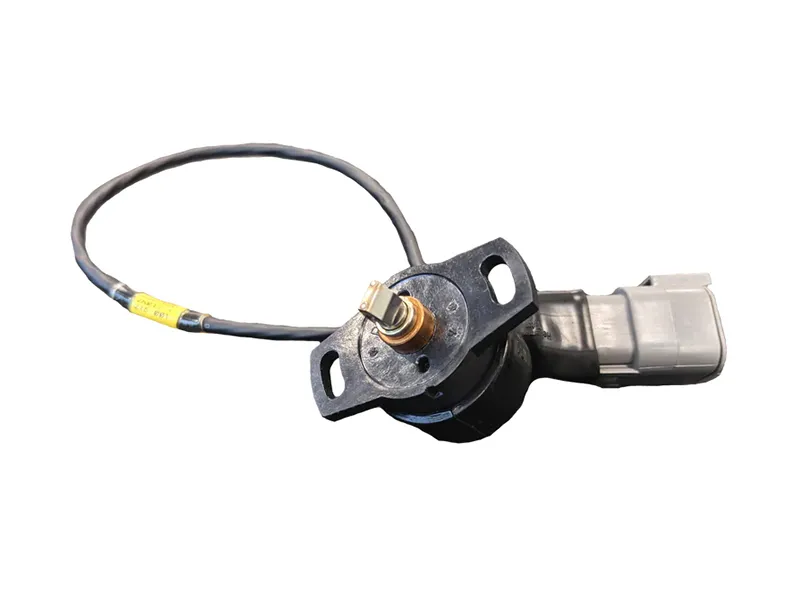
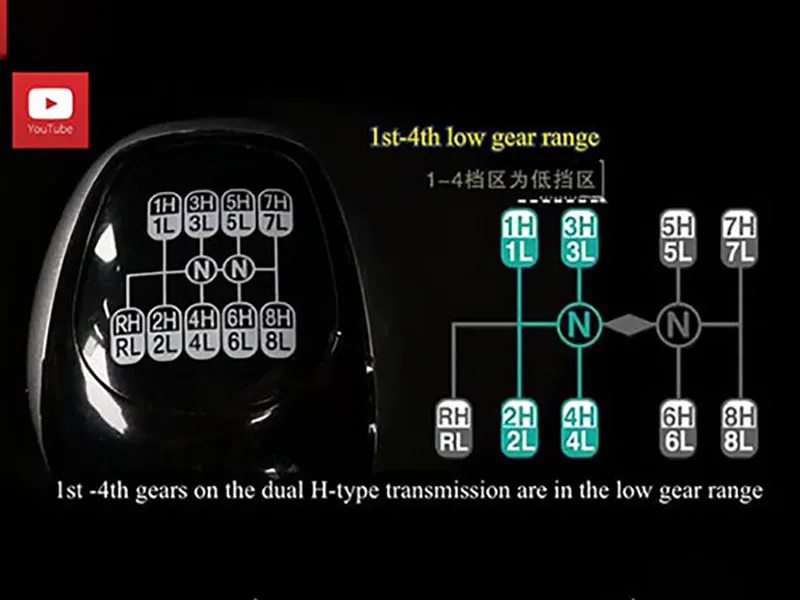

The phrase sino truck gear position encapsulates both the physical selection of gears and the electronic feedback that modern transmissions rely on. Sinotruk’s HW series manual gearboxes utilize a combination of mechanical detents and Hall‑effect sensors to communicate the selected gear to the vehicle’s ECU. For automated manual transmissions (AMT), the sino truck gear position is constantly monitored by the transmission control unit (TCU) to execute split‑second shifts without driver intervention. Accurate gear position data enables features like start‑stop hill assist, adaptive cruise control, and predictive gear shifting, all of which reduce fuel consumption by up to 10%.
When the sino truck gear position feedback is compromised—due to worn shift cables, faulty sensors, or mismatched components—drivers experience missed shifts, increased clutch wear, and even transmission damage. That’s why genuine Sinotruk components are vital. A properly calibrated sino truck gear position system ensures that every gear engagement is crisp and predictable, whether you’re navigating a congested city or climbing a steep mining haul road.
The table below highlights the gear position technologies employed in key Sinotruk HOWO and other Sino truck models, illustrating how sino truck gear position solutions vary by application.
| Model / Series | Transmission Type | Gear Position Sensing | Shift Actuation | Display Type | Diagnostic Protocol | Typical Application |
|---|---|---|---|---|---|---|
| HOWO 7 6×4 | Fast HW19710 manual | Mechanical detent + position switch | Mechanical linkage | Analog gate indicator | None / basic lamp | General freight |
| HOWO T7H 6×4 | Fast HW25716X AMT | Non‑contact Hall‑effect sensors (x3) | Electric motor + solenoid | Digital LCD (gear # + mode) | CAN bus (SAE J1939) | Long‑haul heavy transport |
| Sino Truck A7 8×4 | ZF 16S221 manual | Inductive proximity sensor | Cable + hydraulic booster | Dash indicator with reverse light | OBD‑II compliant | Mining / construction |
| HOWO 6×6 Off‑road | Fast 9JS150T‑B | Manual gate, no electronic sensing | Direct rod linkage | None (driver feel) | N/A | Military / oilfield |
| Sitrak C7H (Sinotruk) | ZF TraXon AMT | Multi‑position hall sensor array | Fully automated + rocker switch | High‑resolution TFT display | Advanced CAN + telematics | Premium logistics |
From basic mechanical detents to advanced hall‑effect arrays, the evolution of sino truck gear position technology reflects Sinotruk’s commitment to driver comfort and driveline reliability. For fleets mixing older and newer models, understanding these differences is crucial for parts inventory and technician training.
With AMT & optimal gear position
Electronic sensing vs. manual
Using genuine parts
For operators who run HOWO fleets, refined howo truck gear selection directly impacts bottom line. The term howo truck gear selection encompasses both manual skill and the intelligent shift strategies of AMT systems. In manual HOWO trucks, proper howo truck gear selection means using the torque band of the Weichai engine—typically between 1100 and 1500 rpm—to select gears that keep the engine in its most efficient range. Drivers who master howo truck gear selection often achieve 8‑12% better fuel economy compared to inexperienced operators. In AMT-equipped models, the transmission’s gear selection logic can be customized via “Eco” or “Power” modes, allowing the driver to influence howo truck gear selection without physically manipulating the lever.
Moreover, accurate sino truck gear position feedback is the foundation upon which howo truck gear selection is built. When the gear position sensor sends reliable data to the TCU, the system can pre‑select the next gear, reducing shift time to as little as 0.3 seconds. This seamless howo truck gear selection experience translates to less driveline shock, extended clutch life, and reduced driver fatigue—critical factors for long‑haul operations across Africa and the Middle East.
Ensuring consistent sino truck gear position accuracy requires proactive maintenance. For manual transmissions, regular inspection of shift linkage bushings and cable tension prevents sloppy gear engagement. On AMT models, the gear position sensors should be scanned for diagnostic trouble codes during every service interval. Using genuine Sinotruk Howo Parts—such as OEM shift position sensors, wiring harnesses, and TCU modules—guarantees that electrical signals match factory specifications. Many premature gear position failures stem from aftermarket sensors with incorrect voltage ranges or poor sealing against dust and moisture.
Additionally, transmission oil condition directly affects shift quality. For AMT systems, the hydraulic actuation unit shares the same oil as the gearbox; degraded oil leads to sluggish gear position changes. Following Sinotruk’s recommended oil change intervals (every 60,000 km for heavy duty) and using the correct GL‑5 grade fluid preserves the integrity of the sino truck gear position system. Fleet records show that transmission‑related downtime drops by 35% when genuine parts and prescribed fluids are used.
Sinotruk’s global service network includes more than 400 authorized centers where technicians receive specialized training on sino truck gear position diagnostics. In key markets such as Nigeria, Kenya, and Uzbekistan, dedicated workshops are equipped with diagnostic tools that can read gear position sensor data in real time. These centers also stock genuine Sinotruk Howo Parts specific to gear position systems, minimizing wait times for critical repairs. Additionally, Sinotruk offers online training modules for fleet mechanics, covering everything from mechanical shift adjustment to AMT calibration. By investing in certified maintenance, fleet owners ensure that sino truck gear position accuracy remains consistent throughout the vehicle’s lifecycle.
Driver training programs also emphasize the importance of understanding gear position feedback. Simulators that replicate the exact feel of Sinotruk gearboxes help new drivers develop muscle memory for smooth howo truck gear selection and proper sino truck gear position awareness. These programs have been shown to reduce clutch replacement frequency by 22% in the first two years of operation.
Sinotruk’s next‑generation trucks are moving toward fully integrated gear position intelligence. Advanced TCUs now incorporate GPS and topographic data to predictively select the optimal gear before a hill is even encountered. This proactive sino truck gear position management can further reduce fuel consumption by an additional 5‑7%. Furthermore, wireless diagnostic capabilities allow remote monitoring of gear position sensor health, enabling predictive maintenance. For fleets operating in remote areas, this connectivity ensures that any degradation in sino truck gear position accuracy is flagged before it leads to unplanned downtime.
As electrification expands, gear position systems in hybrid and electric Sino trucks will evolve, but the core principle remains: precise knowledge of gear position is essential for torque management and energy efficiency. The legacy of reliable sino truck gear position engineering will continue to support operators worldwide for decades to come.