- ADDRESS:Jinan City, Shandong Province
- Wanda Plaza, Jinan, Shandong, China
- +8617615809553
- info@deruna.com

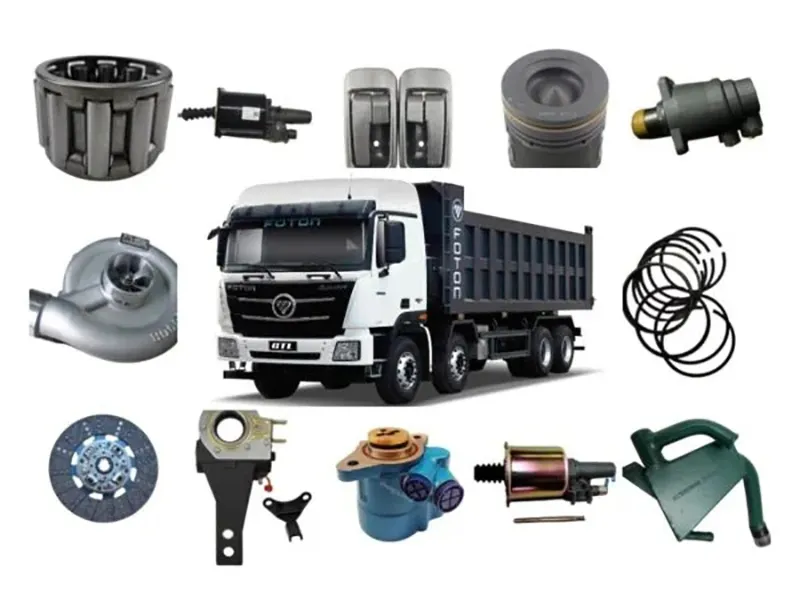
When operating heavy-duty commercial vehicles, the gear shifting mechanism directly impacts driver comfort, fuel efficiency, and component longevity. The shacman truck gear lever serves as the primary interface between the operator and the transmission system, translating driver commands into precise gear engagements. As a specialist provider of genuine SHACMAN TRUCK PARTS, we recognize that even minor defects in this critical component can lead to missed shifts, increased wear, and costly downtime. This comprehensive guide explores everything fleet managers and owner-operators need to know about selecting, maintaining, and troubleshooting the shacman truck gear lever to ensure reliable operation across all Shacman models.


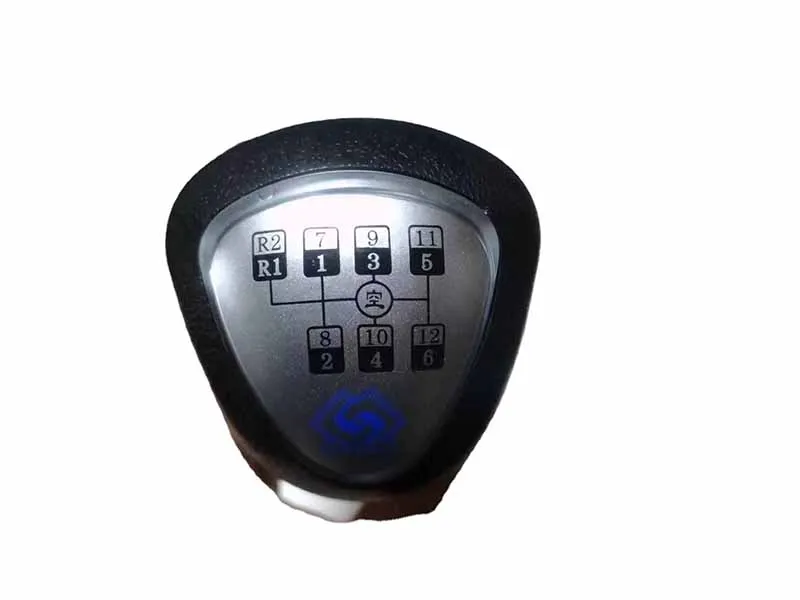
The shacman truck gear lever is far more than a simple mechanical handle; it is a precision component engineered to transmit driver input accurately through linkage systems to the transmission. In Shacman heavy-duty trucks, the gear lever must withstand thousands of shift cycles under extreme vibration, temperature variations, and high operator force. A properly functioning shacman truck gear lever ensures smooth synchronization between engine RPM and road speed, reducing clutch wear and improving fuel economy by up to 8% in urban stop‑and‑go operations.
Modern Shacman models utilize either direct mechanical linkage or advanced cable‑operated systems. The shacman truck gear lever incorporates precisely calibrated pivot points, return springs, and ergonomic knob designs that reduce driver fatigue during long hauls. When this component deteriorates, symptoms such as excessive free play, difficult gear engagement, or transmission noise become apparent. Routine inspection of the shacman truck gear lever should be part of every preventive maintenance schedule, as early detection of wear can prevent secondary damage to shift forks and synchronizers, ensuring the longevity of shacman truck gears.
Shacman offers several shacman gear lever variants tailored to different chassis models, transmission types, and regional preferences. The most common is the floor‑mounted straight lever found in F3000 and X3000 series, featuring a robust forged steel shaft with a zinc‑plated finish to resist corrosion. For automated manual transmissions (AMT), the shacman truck gear lever incorporates integrated sensors and a reduced travel pattern, enabling electronic shift actuation while retaining a familiar mechanical feel.
Specialized configurations include short‑throw levers for off‑highway applications, which enhance shacman gear shifting precision, and ergonomically contoured knobs with built‑in gear indicators. The shacman truck gear lever for left‑hand drive markets differs in pivot orientation compared to right‑hand drive versions, ensuring optimal cab ergonomics. Aftermarket options range from chrome‑plated aesthetic upgrades to heavy‑duty units with reinforced bushings designed for extreme duty cycles in mining and construction environments. Proper selection of the gear lever ensures smooth operation of shackman truck gears, reducing wear on transmission components.
Selecting the correct shacman truck gear lever requires understanding detailed specifications. The table below outlines OEM part numbers and physical characteristics for popular Shacman truck families.
| OEM Part No. | Applicable Shacman Series | Lever Length (mm) | Pivot Type | Knob Material | Weight (kg) |
|---|---|---|---|---|---|
| DZ95259250136 | F3000 (6×4, 8×4) | 315 | Ball joint, sealed | Polyurethane | 1.45 |
| DZ97259250142 | X3000, H3000 | 290 | Needle bearing | Leather‑grain ABS | 1.62 |
| DZ10249250112 | L3000 (light trucks) | 265 | Rubber bushing | Hard plastic | 0.98 |
| DZ13259250171 | M3000 (tractors) | 305 | Spherical plain | Aluminum alloy | 1.53 |
| DZ19259250105 | AMT variants | 275 | Hall‑effect sensor | Soft‑touch polymer | 1.21 |
This data represents genuine Shacman production parts. When sourcing a replacement shacman truck gear lever, always verify the OEM number against your vehicle’s VIN to ensure perfect fitment and shift characteristic replication.
The shacman truck gear lever undergoes continuous mechanical stress. Typical wear indicators include increased lateral play exceeding 5mm, notchy shift feel, or a loose knob that rotates independently. In cable‑actuated systems, corrosion inside the lever housing can cause binding. Drivers may also notice the shacman truck gear lever failing to return to neutral position due to weakened centering springs. Ignoring these signs often leads to missed gear engagements, which can damage synchronizers and shacman truck gears, requiring expensive transmission overhauls.
Shacman recommends inspecting the gear lever mechanism every 80,000 km or 12 months, whichever comes first. Replacement is straightforward on most models, requiring only basic hand tools. However, proper adjustment of the shift rod or cable is critical after installing a new shacman truck gear lever. Professional technicians use specialized alignment tools to ensure the shift pattern matches factory specifications.
Selecting the appropriate shacman gear lever involves three primary considerations: vehicle model, transmission type, and driver preference. Always begin by consulting the parts catalog specific to your Shacman chassis. A F3000 dump truck requires a different shacman truck gear lever than an X3000 long‑haul tractor due to variations in cab floor height and shift linkage geometry. For trucks equipped with Fast Gear or ZF transmissions, verify the lever’s shift‑gate compatibility.
Drivers seeking reduced shift effort may opt for levers with extended length or offset designs that provide greater mechanical advantage, improving shacman gear shifting comfort. Conversely, vocational applications with limited cab space benefit from compact, short‑throw shacman truck gear lever models. Knob ergonomics also matter: larger diameter knobs with rubber inserts reduce hand fatigue, while illuminated knobs aid night operation. Fleet operators often standardize on a single shacman truck gear lever variant to simplify inventory and driver training.
Correct installation of a shacman gear lever ensures long service life and optimal shift quality. Begin by disconnecting the battery to prevent accidental starting. Remove the boot and retaining clip, then carefully detach the linkage rod or cable. Clean the mounting socket thoroughly to remove old grease and debris. Apply a lithium‑based grease to the new shacman truck gear lever pivot ball before insertion. Torque the retaining nut to manufacturer specifications—typically 25‑30 Nm—over‑tightening can cause premature bearing failure.
After mechanical installation, adjust the shift cable or rod so that all gear positions are fully engaged without binding. Verify neutral position indicator alignment. Finally, test drive the vehicle through all gears, including reverse, checking for unusual resistance or noise. A properly installed shacman truck gear lever should move smoothly with consistent effort across the entire shift pattern.
Simple maintenance routines dramatically extend the service life of the shacman gear lever. Every oil change, inspect the rubber dust boot for cracks; a torn boot allows grit to enter the pivot mechanism, accelerating wear on both the lever and associated shacman truck gears. Clean the lever shaft with a lint‑free cloth and apply a thin film of corrosion inhibitor in high‑humidity environments. Lubricate pivot points every 50,000 km using a high‑temperature grease rated for ‑30°C to +120°C.
For AMT‑equipped trucks, the gear lever contains electronic components that must be kept dry. Check the wiring harness connector for oxidation and ensure the protective conduit is securely fastened. If the gear lever develops intermittent electrical faults, diagnostic trouble codes can often pinpoint sensor failures within the lever assembly. Replacing the complete gear lever is recommended for AMT systems, as internal sensors are not serviceable separately.
Q: Can I install a passenger‑car style short shifter on my Shacman truck?
A: While aftermarket short‑throw adapters exist, they often alter shift effort negatively and may not withstand the high forces in heavy‑duty applications. Genuine Shacman short‑throw shacman gear lever units are engineered specifically for commercial use and are recommended.
Q: Why does my shacman truck gear lever vibrate excessively at highway speeds?
A: Vibration typically indicates worn pivot bushings or a loose mounting base, which can degrade shacman gear shifting quality. Inspect the gear lever base bolts and the condition of the isolating rubber dampers. Replacement of the complete lever assembly is often the most reliable solution.
Q: Are shacman truck gear levers interchangeable between left‑hand and right‑hand drive cabs?
A: No. The pivot orientation and shift gate geometry are specific to cab configuration. Using an incorrect shacman truck gear lever will result in reversed shift patterns and potential transmission damage.
The gear lever is a small component with a massive impact on vehicle drivability, efficiency, and total cost of ownership. From the robust mechanical units on F3000 models to the sensor‑rich levers in AMT‑equipped trucks, this part represents Shacman’s commitment to driver‑centric design and durability. By understanding the specifications, recognizing wear symptoms, and adhering to proper maintenance, operators can ensure their gear lever delivers consistent performance for hundreds of thousands of kilometers.
Always source your replacement gear lever from authorized suppliers who provide genuine OEM components with full warranty coverage. Counterfeit or off‑brand levers often use inferior materials that fail prematurely, leading to costly secondary repairs on shacman truck gears. Trust in genuine Shacman engineering—your drivers and your bottom line will thank you.